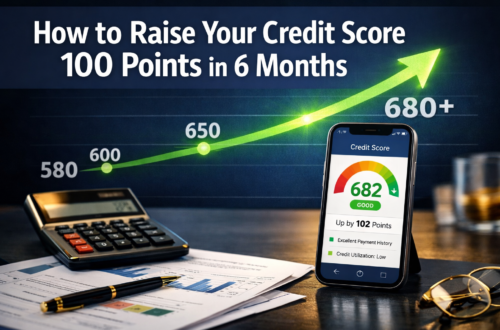


I’ll never forget the day I applied for a car loan and discovered my credit score had dropped 40 points seemingly out of nowhere. I’d been paying my bills on time, staying out of debt, and doing everything “right”—or so I thought. That’s when I learned the hard way that your credit score can take a hit from actions you’d never suspect. In 2025, with credit card delinquencies reaching a 12-year high and millions of Americans struggling with their financial health, understanding these hidden credit score killers has never been more important.
Your credit score isn’t just a number—it’s the key to unlocking better interest rates, rental approvals, and even job opportunities. Yet many of us unknowingly sabotage our scores through everyday financial decisions that seem completely harmless. Let me walk you through seven surprising things that could be secretly damaging your credit score right now.
Key Takeaways
- Closing old credit cards can hurt your score by reducing your credit history length, which accounts for 15% of your FICO score calculation
- High credit utilization (using too much of your available credit) represents 30% of your score and is one of the most damaging factors
- Multiple credit applications in a short period create hard inquiries that compound negatively, even if you’re denied or don’t accept the offers
- Student loan payments resumed reporting to credit bureaus in October 2024, catching millions of borrowers off guard with score drops
- Even 30-day late payments can cause significant damage, with consequences worsening the longer you fall behind
1. Closing Old Credit Cards Thinking You’re Being Responsible 💳

Here’s something that shocked me: closing that old credit card you never use can actually hurt your credit score, even if you’re trying to simplify your financial life. I used to think that having fewer credit cards meant less temptation and better financial health. Wrong.
Your credit history length makes up 15% of your FICO score calculation[1]. When you close an old account, you’re essentially erasing years of positive payment history and reducing the average age of your credit accounts. This is especially damaging if that card was one of your oldest accounts.
Why This Matters More Than You Think
Let’s say you opened your first credit card in college ten years ago. Even if you haven’t used it in years, that card is proof that you’ve been managing credit responsibly for a decade. Close it, and suddenly your credit history looks much shorter, making you appear riskier to lenders.
What happens when you close old cards:
- Average age of accounts decreases
- Total available credit drops
- Credit utilization ratio increases (more on this later)
- Length of credit history shortens
“Keeping old credit cards open, even if you don’t use them regularly, is one of the simplest ways to maintain a healthy credit score. Just make sure to use them occasionally to prevent the issuer from closing them due to inactivity.”
Instead of closing old cards, I recommend keeping them active with small, recurring charges (like a streaming subscription) that you pay off automatically each month. This strategy has helped me maintain my credit history while avoiding the temptation to overspend. If you’re working on staying debt-free for life, this approach lets you keep your credit score strong without accumulating new debt.
2. Maxing Out Your Credit Cards (Even If You Pay Them Off) 📊
This one surprised me the most. I used to put everything on my credit card to earn rewards points, then pay it off in full every month. I thought I was being smart—no interest charges, lots of rewards, what could go wrong? Turns out, plenty.
Your credit utilization ratio—the amount of credit you’re using compared to your total available credit—accounts for a whopping 30% of your FICO score[2]. This makes it the second most important factor after payment history.
The Credit Utilization Sweet Spot
Here’s what most people don’t realize: credit bureaus don’t care if you pay your balance in full each month. They only see the balance reported by your credit card company, which is typically your statement balance. If you max out a $5,000 credit card and then pay it off, the credit bureaus might still see that $5,000 balance if it was reported before you made your payment.
Ideal credit utilization benchmarks:
| Utilization Rate | Impact on Score | What It Means |
|---|---|---|
| 0-10% | Excellent ✅ | Best for your score |
| 11-30% | Good 👍 | Acceptable range |
| 31-50% | Fair ⚠️ | Starting to hurt |
| 51-75% | Poor ⛔ | Significant damage |
| 76-100% | Very Poor 🚫 | Major score killer |
I learned to keep my utilization below 30% on each card and overall. Even better, I aim for under 10% for optimal scoring. One trick that’s worked wonders for me: making multiple payments throughout the month instead of waiting for the due date. This keeps my reported balance low even when I’m using my cards regularly.
If you’re struggling with high balances, check out these budgeting strategies that can help you pay down debt faster without sacrificing your lifestyle.
3. Applying for Multiple Credit Cards or Loans in a Short Period 🔍
Remember when I mentioned my car loan application? Well, I made a rookie mistake before that. I applied for three different credit cards within two weeks because they all had amazing sign-up bonuses. Each application triggered a hard inquiry on my credit report, and those inquiries compounded to drop my score significantly.
Hard inquiries can decrease your score by less than 5 points each[3], but here’s the catch: multiple inquiries in a short time have a compounding negative effect. Plus, opening multiple new accounts signals to lenders that you might be in financial trouble or planning to take on more debt than you can handle.
Hard Inquiries vs. Soft Inquiries: Know the Difference
Not all credit checks are created equal. Understanding this distinction saved me from making even more mistakes:
Hard Inquiries (hurt your score):
- Credit card applications
- Mortgage applications
- Auto loan applications
- Personal loan applications
- Apartment rental applications (sometimes)
Soft Inquiries (don’t hurt your score):
- Checking your own credit
- Pre-approval offers
- Employment verification checks
- Insurance quotes
The good news? There’s a shopping window for certain types of loans. When you’re rate shopping for a mortgage or auto loan, multiple inquiries within a 14-45 day period (depending on the scoring model) are treated as a single inquiry[4]. This lets you compare offers without destroying your score.
The Long-Term Impact
Here’s something that really frustrated me: inquiries remain on your credit report for up to 24 months, even if you’re denied or decide against the loan or credit card[5]. They continue affecting your score during this entire period, though the impact lessens over time.
My advice? Be strategic about credit applications. Space them out by at least six months, and only apply when you genuinely need the credit. Those sign-up bonuses aren’t worth the score damage if you’re planning to make a major purchase soon.
4. Missing Student Loan Payments Now That Reporting Has Resumed 🎓
This is a big one for 2025, and it caught millions of Americans off guard. Student loan delinquencies began being reported to credit bureaus in October 2024 after the CARES Act moratorium ended[6]. If you’ve been making late payments or skipping them altogether during the pandemic pause, your credit score might have already taken a serious hit.
I have friends who forgot they even had student loans after three years of not having to pay them. When the bills started coming again, some missed the first few payments simply because they hadn’t adjusted their budgets. The result? Significant credit score damage that will take years to repair.
The 30-Day Rule That Changes Everything
Here’s a critical timeline to understand: late payments as little as 30 days past due can do significant harm to your credit score[7], with more severe consequences the further behind you fall.
Student loan payment timeline:
- 1-29 days late: Not reported to credit bureaus (yet)
- 30 days late: Reported as delinquent, score drops
- 60 days late: Additional score damage, increased penalties
- 90 days late: Considered in default territory, major score impact
- 270 days late (federal loans): Official default status, devastating consequences
Payment history is the single most important factor in your credit score, accounting for 35% of your FICO score[8]. A single 30-day late payment can drop your score by 60-110 points depending on your starting score.
What to Do If You’re Struggling
If student loans are stretching your budget thin, don’t just ignore them. Contact your loan servicer immediately to discuss:
- Income-driven repayment plans
- Deferment or forbearance options
- Loan consolidation
- Refinancing opportunities
I’ve seen too many people avoid the problem until it’s too late. Being proactive can save your credit score and your financial future. Combining smart debt management strategies with consistent communication with your lenders makes all the difference.
5. Re-Leveraging Debt After Paying It Down 💸

This pattern is so common, yet most people don’t realize how damaging it can be. Studies show that households tend to re-accumulate debt after paying it down initially[9], especially after receiving economic stimulus or windfalls. This cycle of paying down and re-leveraging can seriously deteriorate your credit performance over time.
I’ve been guilty of this myself. A few years ago, I worked hard to pay off $8,000 in credit card debt using the strategies that helped me save $3,000 in 90 days. I felt so accomplished! But then I made a mistake: I saw all that available credit as “free money” for a vacation. Within six months, I’d racked up $5,000 in new debt.
The Credit Score Rollercoaster
When you repeatedly pay down debt and then max out your cards again, you create several problems:
- Utilization spikes every time you re-leverage
- Lenders see instability in your credit management
- You’re more likely to miss payments when carrying high balances
- Your debt-to-income ratio suffers, affecting future loan approvals
The re-leveraging cycle:
Pay off debt → Credit score improves → Feel confident →
Spend on credit again → Utilization increases →
Score drops → Struggle to pay → Repeat
Breaking the Cycle
The solution isn’t to close your cards (remember point #1!), but to change your relationship with available credit. Here’s what worked for me:
- Treat paid-off credit like it doesn’t exist for spending purposes
- Build an emergency fund so you don’t need to rely on credit for unexpected expenses
- Use the 50/30/20 budgeting rule to allocate money appropriately (I learned a lot from trying this method for 2 months)
- Track your spending religiously to avoid lifestyle creep
“The best credit card balance is the one you can pay off in full every month without straining your budget. If you can’t do that, you’re spending too much.”
6. Ignoring Small Bills That Go to Collections 🏥
Medical bills, parking tickets, library fines—these small debts seem insignificant, right? Wrong. When these bills go unpaid and get sent to collections, they can devastate your credit score just as much as a major loan default.
I learned this lesson when a $75 medical bill I never received (it went to an old address) ended up in collections. That tiny bill dropped my score by 50 points. The worst part? I would have gladly paid it if I’d known about it.
How Collection Accounts Damage Your Score
Collection accounts are considered major derogatory marks on your credit report. They signal to lenders that you failed to pay a debt, regardless of the amount. Here’s what makes them particularly damaging:
- They can stay on your credit report for up to 7 years
- The damage is worst in the first two years
- They affect both your payment history and public records
- Multiple collections compound the damage exponentially
Common bills that end up in collections:
- 🏥 Medical bills (the #1 culprit)
- 📱 Cell phone bills after cancellation
- 🚗 Parking tickets and traffic violations
- 📚 Library fines (yes, really!)
- 💡 Utility bills from old addresses
- 🏠 HOA fees and apartment damages
Prevention and Damage Control
The best strategy is prevention. Here’s my system for avoiding collections:
- Update your address with all creditors when you move
- Check your credit report regularly for unknown debts
- Set up payment reminders for irregular bills
- Negotiate payment plans before accounts go to collections
- Get everything in writing if you settle a debt
If you already have a collection account, you may be able to negotiate a “pay for delete” agreement where the collector removes the item from your report in exchange for payment. Not all collectors will do this, but it’s worth asking.
7. Falling Victim to Lax Lending Standards and Rising Debt Loads 📈
Here’s a trend that’s affecting millions of Americans in 2025: laxer lending standards combined with rising credit card debt have been identified as strong predictors of increased credit card delinquencies and score deterioration[10].
Credit card companies have been aggressively marketing to consumers, approving people with lower credit scores and offering higher credit limits than ever before. Sounds great, right? More access to credit! But this is actually a trap that’s causing credit card delinquencies to reach a 12-year high, with accounts at least 90 days past due exceeding pre-pandemic levels[11].
The Perfect Storm of 2025
Several factors have converged to create a credit crisis:
- Rising interest rates making existing debt more expensive
- Inflation reducing purchasing power and forcing more credit use
- Easy credit approval leading to over-leveraging
- Economic uncertainty causing income instability
- Normalized overspending during the pandemic recovery
When you combine easy access to credit with financial stress, the result is predictable: people borrow more than they can afford, fall behind on payments, and watch their credit scores plummet.
The Default Danger Zone
Defaults—going 90 days or longer without a scheduled payment—are major negative marks that can lead to foreclosure, repossession, charge-offs, and even bankruptcy[12]. Once you hit default status:
- Your account may be closed
- The full balance might become due immediately
- Legal action could be taken against you
- Your score could drop 100+ points
- Recovery takes years, not months
Warning signs you’re heading toward default:
⚠️ Making only minimum payments consistently
⚠️ Using credit cards for necessities like groceries
⚠️ Juggling payments between cards
⚠️ Ignoring calls from creditors
⚠️ Using cash advances to pay other bills
⚠️ Feeling anxious about checking your account balances
Taking Control Before It’s Too Late
If you recognize these warning signs, act immediately. The earlier you intervene, the more options you have:
- Create a realistic budget that accounts for all debt payments
- Contact creditors to negotiate lower rates or payment plans
- Consider debt consolidation if you have multiple high-interest debts
- Seek credit counseling from a nonprofit organization
- Build additional income streams to accelerate debt payoff
The key is acknowledging the problem before it becomes a crisis. I’ve been there, and I can tell you that facing your debt head-on is far less painful than ignoring it until you’re in default.
💳 Credit Score Checker
Enter your current credit score to get personalized tips
Understanding Your Credit Score: The Big Picture 📊
Now that we’ve covered the seven surprising things that can hurt your credit score, let’s zoom out and look at the bigger picture. Your credit score isn’t just affected by what you do wrong—it’s also built by what you do right.
The Five Factors That Make Up Your FICO Score
Understanding how your credit score is calculated helps you prioritize your efforts:
- Payment History (35%) – The most important factor
- Credit Utilization (30%) – How much credit you’re using
- Length of Credit History (15%) – How long you’ve had credit
- New Credit (10%) – Recent applications and new accounts
- Credit Mix (10%) – Variety of credit types (cards, loans, etc.)
Notice that the top two factors—payment history and credit utilization—make up 65% of your score. This means that simply paying on time and keeping your balances low will do more for your credit than any other strategy.
Why Credit Scores Matter More in 2025
In today’s economy, your credit score affects more than just loan approvals:
- Interest rates: A difference of 100 points can mean tens of thousands of dollars in extra interest over the life of a mortgage
- Rental applications: Landlords increasingly use credit scores to screen tenants
- Employment: Some employers check credit as part of background checks
- Insurance rates: Auto and home insurance premiums can be affected by credit
- Security deposits: Utility companies may waive deposits for good credit
- Cell phone plans: Better credit can mean lower deposits and better deals
Protecting and Rebuilding Your Credit Score 🛡️

If you’ve discovered that some of these surprising factors have been hurting your score, don’t panic. Credit scores are dynamic—they can improve with the right strategies and consistent effort.
Immediate Actions You Can Take Today
- Check your credit report for free at AnnualCreditReport.com
- Set up payment reminders or autopay for all bills
- Calculate your credit utilization and make a plan to reduce it
- Review your open accounts and decide which to keep active
- Dispute any errors you find on your credit reports
Long-Term Strategies for Credit Health
Building and maintaining good credit is a marathon, not a sprint. Here’s my long-term approach:
Monthly habits:
- Review all credit card statements for errors
- Pay all bills before the due date
- Keep credit utilization under 30% (ideally under 10%)
- Check credit score through free monitoring services
Quarterly habits:
- Review full credit reports from all three bureaus
- Adjust budget based on spending patterns
- Reassess debt payoff strategy and progress
Annual habits:
- Pull official credit reports and review thoroughly
- Update financial goals and credit targets
- Consider whether to apply for new credit products
- Review and update emergency fund
The Credit Recovery Timeline
If your score has taken a hit, here’s what to expect for recovery:
- Hard inquiries: Impact fades after 12 months, removed after 24 months
- High utilization: Improves immediately when balances are paid down
- 30-day late payment: Major impact for 2 years, remains for 7 years
- Collections: Severe impact for 2 years, remains for 7 years
- Bankruptcy: Severe impact for 3-4 years, remains for 7-10 years
The key takeaway? Start improving now. Every month of on-time payments and responsible credit use moves you closer to your goals.
Common Credit Score Myths Debunked 🔍
Let me clear up some common misconceptions that might be holding you back:
Myth #1: Checking your own credit hurts your score
❌ False! Checking your own credit is a soft inquiry and has zero impact on your score.
Myth #2: You need to carry a balance to build credit
❌ False! Paying in full each month is actually better for your score and saves you money on interest.
Myth #3: Closing a credit card removes it from your report
❌ False! Closed accounts remain on your report for up to 10 years and continue affecting your score.
Myth #4: Income affects your credit score
❌ False! Your income isn’t part of your credit score calculation, though it affects loan approvals.
Myth #5: All credit scores are the same
❌ False! There are multiple scoring models (FICO, VantageScore) and hundreds of variations.
Myth #6: Paying off collections removes them from your report
❌ False! Paid collections remain on your report for 7 years, though newer scoring models weigh them less heavily.
Building Wealth Beyond Your Credit Score 💰
While protecting your credit score is important, it’s just one piece of your overall financial health. I’ve learned that true financial security comes from a holistic approach that includes:
- Emergency savings to avoid relying on credit during tough times
- Debt reduction strategies that free up cash flow
- Smart budgeting that aligns spending with values and goals
- Investment planning to build long-term wealth
If you’re interested in building wealth alongside protecting your credit, I recommend exploring investing in stocks for beginners. You don’t need perfect credit to start building wealth through investments, and having multiple paths to financial security gives you more options and less stress.
Conclusion: Take Control of Your Credit Score Today
Your credit score doesn’t have to be a mystery or a source of anxiety. By understanding these seven surprising factors that can hurt your score—from closing old credit cards to re-leveraging debt after paying it down—you’re already ahead of most people.
The key insights to remember:
✅ Keep old credit cards open to maintain credit history length
✅ Monitor credit utilization closely and keep it below 30%
✅ Space out credit applications by at least six months
✅ Stay current on student loans now that reporting has resumed
✅ Avoid the debt re-leveraging cycle by building better habits
✅ Pay all bills on time, no matter how small
✅ Be cautious with easy credit even when it’s readily available
Your Action Plan for the Next 30 Days
Here’s exactly what I recommend you do right now:
Week 1:
- Pull your free credit reports from all three bureaus
- Check your credit score using a free monitoring service
- Calculate your current credit utilization ratio
- Review all open accounts and their ages
Week 2:
- Set up automatic payments for all regular bills
- Create a plan to reduce utilization below 30%
- Dispute any errors found on credit reports
- Make a list of old accounts to keep active
Week 3:
- Implement a system to track all bills and due dates
- Start making extra payments to reduce high balances
- Review your budget to ensure debt payments are prioritized
- Set up credit monitoring alerts
Week 4:
- Reassess your progress and adjust strategies
- Create a 12-month credit improvement plan
- Build an emergency fund to avoid future credit reliance
- Educate yourself further on credit management
Remember, improving your credit score is a journey, not a destination. Every positive action you take today builds toward a stronger financial future. Your credit score is within your control—now you have the knowledge to protect it and improve it.
For more comprehensive financial guidance and budgeting strategies, visit msbudget.com, where you’ll find additional resources to support your journey to financial wellness.



![How I Paid Off $50,000 in Debt: My Step-by-Step Debt Free Journey Last updated: March 31, 2026 Quick Answer: Paying off $50,000 in debt is absolutely possible, even on an average income. I did it by getting brutally honest about my numbers, choosing a payoff method that fit my personality, cutting expenses aggressively, and adding extra income streams. It took focus and sacrifice, but the process is straightforward: list every debt, build a small emergency fund, attack debt with every spare dollar, and protect your progress along the way. Key Takeaways Know your exact numbers first. You can't pay off what you haven't fully faced. List every balance, interest rate, and minimum payment. The debt snowball and debt avalanche are the two main payoff methods. Snowball wins on motivation; avalanche wins on math. A small $1,000 emergency fund before you start keeps unexpected expenses from derailing your plan. Cutting expenses alone usually isn't enough. Adding income — even a few hundred dollars a month — dramatically speeds up your debt free journey. 74% of Americans now define financial success as being debt-free, according to KeyBank's 2025 Financial Mobility Survey. You're not alone in this goal. [2] Automate your payments. Willpower runs out; automation doesn't. Celebrate small wins. Each paid-off account is real progress, not just a number. Debt stress is real. Building a support system or accountability partner makes a measurable difference in staying consistent. Once debt-free, redirect those payments immediately toward savings and investing so you never slide back. What Does a Debt Free Journey Actually Look Like? A debt free journey is the intentional, step-by-step process of eliminating all personal debt — credit cards, car loans, student loans, medical bills — until you owe nothing. It's not a single moment; it's a series of decisions made consistently over months or years. For me, it started with a number that made my stomach drop: $50,247.13. That was the total across four credit cards, a car loan, and leftover student loan debt. I had been making minimum payments for years, watching the balances barely move. When I finally sat down and added it all up, I realized I had been treading water. According to a 2026 survey by Southwest Voices, 33% of U.S. consumers define financial success as being debt-free, regardless of income or assets — a shift away from the old idea that wealth is measured by what you own. [1] That reframing helped me. I stopped feeling behind and started feeling motivated. Here's the honest truth: a debt free journey looks messy in the middle. There are months where you feel unstoppable and months where an unexpected car repair wipes out your progress. What matters is that you keep going. Step 1: Face the Full Picture (This Part Is Uncomfortable) Before you can make a plan, you need complete, accurate information about every debt you owe. Here's exactly what I tracked in a simple spreadsheet: Debt Balance Interest Rate Minimum Payment Credit Card A $8,400 24.99% APR $210 Credit Card B $6,100 19.99% APR $155 Credit Card C $3,200 22.49% APR $80 Car Loan $14,500 6.9% APR $320 Student Loan $18,047 5.5% APR $195 Total $50,247 — $960/month Looking at that table was hard. But it was also the most important thing I did, because it turned a vague, overwhelming cloud of "I have a lot of debt" into a concrete list I could actually work through. Common mistake: Many people underestimate their total debt because they avoid checking balances. Log in to every account, pull your free credit report at AnnualCreditReport.com, and write down every number. Step 2: Build a Small Emergency Fund First Before throwing every extra dollar at debt, save $1,000 as a starter emergency fund. This sounds counterintuitive when you're paying 24.99% interest, but here's why it works: without a cash cushion, the first flat tire or medical co-pay goes right back on a credit card, undoing your progress and crushing your motivation. A 2025 KeyBank survey found that 25% of Americans cannot come up with $2,000 for unexpected expenses, up from 19% the year before. [2] That statistic shows how common this vulnerability is — and why plugging it first protects your entire plan. Once you hit $1,000, stop saving and redirect everything to debt. You can build a full 3–6 month emergency fund after you're debt-free. Step 3: Choose Your Debt Payoff Strategy Two methods dominate personal finance, and both work. The right one depends on your personality. Debt Snowball (Dave Ramsey's method): Pay minimums on all debts. Throw every extra dollar at the smallest balance first. When it's gone, roll that payment to the next smallest. Best for: people who need quick wins to stay motivated. Debt Avalanche: Pay minimums on all debts. Throw every extra dollar at the highest interest rate first. Best for: people who are motivated by math and want to pay the least interest overall. I used the snowball method because I needed to feel progress. Paying off that $3,200 credit card in four months gave me a surge of confidence that kept me going for the next two years. If you want a detailed breakdown of both approaches, check out this guide on 7 proven ways to pay down debt faster. Edge case: If you have a debt with a balance transfer offer at 0% APR, consider moving high-interest credit card balances there first. Harvard FCU recommends balance transfer cards as a way to freeze interest accrual and focus entirely on paying down principal. [5] Just watch for transfer fees (typically 3–5%) and make sure you can pay the balance before the promotional period ends. Step 4: Cut Expenses Without Losing Your Mind Cutting expenses is where most people start — and where many people quit, because they try to cut everything at once and feel deprived. My approach: cut in tiers. Tier 1 — Cut immediately (no lifestyle impact): Unused subscriptions and memberships Negotiated lower rates on phone, internet, and insurance Switched to generic/store-brand groceries Tier 2 — Reduce (some adjustment required): Eating out dropped from 4x/week to once a week Grocery budget planned with a weekly meal plan (I saved roughly $200/month here) Paused gym membership and worked out at home Tier 3 — Temporary sacrifices (hard but worth it): Skipped vacations for 18 months Sold my newer car and bought a paid-off used car, eliminating the $320/month payment A 2025 KeyBank survey found that 49% of consumers switched to less expensive brands or services and 41% reduced subscriptions or memberships in response to rising costs. [2] These aren't dramatic moves — they're practical ones that add up fast. For practical grocery savings, this budget meal planning guide shows how to feed a family on $50/week, which is a real game-changer when you're redirecting every dollar to debt. Step 5: Increase Your Income (This Is the Real Accelerator) Cutting expenses has a floor — you can only cut so much. Income has no ceiling. Adding even $300–$500 per month in extra income can cut months or years off your debt free journey. What I did to earn extra money: Sold stuff I didn't need. I made over $1,000 in 30 days selling furniture, clothes, and electronics. (This decluttering guide shows exactly how.) Freelanced on weekends. I offered writing and editing services through Upwork for about 8 hours per week. Used money-making apps. Small amounts — $50–$100/month — but every dollar went straight to debt. Every single dollar of extra income went directly to the target debt. Not to lifestyle upgrades. Not to "treating myself." Straight to the balance. If you're looking for ways to earn more without a second job, check out these 15 best money making apps that pay real cash or explore high income skills you can learn at home that can significantly boost your monthly income over time. How Do You Stay Motivated During a Long Debt Free Journey? Staying motivated over a multi-year debt payoff is genuinely the hardest part. The math is simple; the psychology is not. 38% of U.S. women report that money makes them feel anxious most of the time, compared to 24% of men, according to a 2026 Southwest Voices survey. [1] Debt stress is real, and ignoring it doesn't make it go away. What actually helped me stay on track: A visual debt payoff tracker. I colored in a bar graph on my fridge every time I paid off $1,000. Silly? Maybe. Effective? Absolutely. An accountability partner. My sister was on her own debt free journey. We checked in monthly. Celebrating milestones. When I paid off each account, I did something small and free to mark it — a picnic, a movie night at home. Reading stories like mine. Seeing that a debt-free family paid off $67K on one income made my $50K feel conquerable. If you're feeling overwhelmed, this resource on debt stress relief and staying motivated has practical strategies that go beyond "just believe in yourself." Decision rule: If you're losing motivation, don't restart from scratch. Switch strategies temporarily. If you've been doing the avalanche method, switch to snowball for one month to get a quick win. Then go back. What Was My Month-by-Month Debt Payoff Timeline? Here's an honest look at how the $50,247 came down over 26 months. I'm sharing this because most debt payoff stories skip the messy middle. Month Range Action Running Balance Months 1–2 Built $1,000 emergency fund $50,247 Months 3–6 Paid off Credit Card C ($3,200) $47,047 Months 7–11 Paid off Credit Card B ($6,100) $40,947 Months 12–16 Paid off Credit Card A ($8,400) $32,547 Month 17 Sold car, eliminated car loan $18,047 Months 18–26 Paid off student loan $0 Month 17 was the turning point. Selling the car felt terrifying, but it eliminated $14,500 in debt overnight and freed up $320/month. After that, the student loan felt manageable. Note on the car: I bought a $5,000 used Honda Civic with cash. It wasn't glamorous, but it ran fine and I drove it for two years while I finished paying off everything else. What Mistakes Almost Derailed My Debt Free Journey? Knowing what to avoid is just as important as knowing what to do. Mistake 1: Not having an emergency fund first.Early on, I skipped the $1,000 buffer and put everything at debt. Three months in, a $700 car repair went right back on a credit card. Demoralizing. Mistake 2: Setting an unrealistic budget.My first budget was so tight I lasted two weeks before blowing it. I had to build in a small "fun money" line — even $30/month — to make the budget sustainable. Mistake 3: Ignoring the emotional side.I white-knuckled it for the first six months without any support system. Burnout hit hard. Once I found an accountability partner and started tracking wins visually, consistency improved dramatically. Mistake 4: Lifestyle creep after early wins.After paying off the first credit card, I celebrated by spending more than I should have for a couple of months. I lost about six weeks of progress. Celebrate, but keep the momentum. To avoid common budgeting pitfalls, this list of 10 budgeting mistakes to avoid is worth reading before you build your plan. What Happens After You Become Debt-Free? Becoming debt-free is not the finish line — it's the starting line for building actual wealth. 38% of people say being debt-free is the most important financial milestone, according to the 2026 BHG Financial Consumer Debt & Finances Survey. [4] But once you're there, the same discipline that paid off debt becomes your wealth-building engine. Here's what I did the month I made my last payment: Built a full 3–6 month emergency fund using what used to be my debt payments. Started investing — maxed out my Roth IRA contribution for the year. Kept living on my "debt payoff budget" for six more months to build a real financial cushion. Raised my credit score — paying off revolving debt dramatically improved my utilization ratio. 74% of respondents in the BHG Financial survey feel optimistic about their financial future, with that number climbing to 80% among higher-income households. [4] I felt that shift personally. Once the debt was gone, financial decisions stopped feeling like damage control and started feeling like choices. For the next chapter, this guide on how to achieve financial freedom in 5 steps is exactly where I'd point anyone who just made their last debt payment. Frequently Asked Questions Q: How long does it realistically take to pay off $50,000 in debt?A: It depends on your income, expenses, and how aggressively you can pay. With focused effort — cutting expenses and adding income — most people can pay off $50,000 in 2–4 years. I did it in 26 months by combining both strategies. Q: Should I save money or pay off debt first?A: Build a small $1,000 emergency fund first, then attack debt aggressively. Without that buffer, unexpected expenses will send you back to credit cards and undo your progress. Q: What's the best method for paying off debt — snowball or avalanche?A: Both work. Snowball (smallest balance first) is better if you need motivational wins to stay consistent. Avalanche (highest interest first) saves more money mathematically. Choose the one you'll actually stick to. Q: Can I pay off debt on a low income?A: Yes, but it requires more focus on increasing income alongside cutting expenses. Even an extra $200–$300/month makes a significant difference over time. This guide on how to pay off credit card debt fast on a low income has specific strategies for tighter budgets. Q: Should I use a balance transfer card to pay off debt faster?A: A 0% APR balance transfer card can be a smart move for high-interest credit card debt, because it stops interest from accruing and lets you focus entirely on the principal. [5] Watch for transfer fees and make sure you have a plan to pay it off before the promotional period ends. Q: What if I have an emergency and go back into debt during my payoff journey?A: It happens. Don't quit. Rebuild your $1,000 buffer, then resume your payoff plan. One setback doesn't erase your progress. Q: Is a no-spend challenge worth trying during debt payoff?A: Absolutely. A no-spend month challenge can generate an extra $200–$500 in a single month, which goes directly to your target debt. It also resets spending habits in a lasting way. Q: How do I stay motivated when debt payoff feels like it's taking forever?A: Use a visual tracker, find an accountability partner, and celebrate each paid-off account. Also, recalculate your payoff date every few months — watching it move closer is genuinely motivating. Q: Will paying off debt hurt my credit score?A: Paying off installment loans (like a car or student loan) can cause a small, temporary dip because it reduces your credit mix. But paying off credit cards improves your utilization ratio, which typically raises your score. The net effect of becoming debt-free is almost always positive over time. Q: What's the first step if I'm completely overwhelmed and don't know where to start?A: Write down every debt you owe — balance, interest rate, minimum payment — in one place. That single act of clarity is the foundation of every successful debt free journey. Conclusion: Your Debt Free Journey Starts With One Decision Paying off $50,000 in debt wasn't about being perfect. It was about being consistent. I made mistakes, had setbacks, and had months where I wanted to give up. But I kept coming back to the plan. Here's your action plan for this week: List every debt with its balance, interest rate, and minimum payment. Set up a $1,000 starter emergency fund before you do anything else. Choose your payoff method (snowball or avalanche) and commit to it. Find one expense to cut and one way to earn extra money this month. Tell someone — an accountability partner changes everything. If you're ready to go deeper, the debt free in 12 months step-by-step plan is a great next resource, and these 10 simple habits that help you stay debt-free for life will help you protect everything you build. You don't need a perfect plan. You need a real one. Start today. References [1] Debt Free Flexible And Focused On Stability The Money Mindset Of Us Consumers In 2026 - https://www.southwestvoices.news/premium/stacker/stories/debt-free-flexible-and-focused-on-stability-the-money-mindset-of-us-consumers-in-2026,150595 [2] Is Debt Free The New Luxury Keybank Survey Explores 302606087 - https://www.prnewswire.com/news-releases/is-debt-free-the-new-luxury-keybank-survey-explores-302606087.html [4] Money Map Report - https://bhgfinancial.com/research/money-map-report [5] Gift Yourself Financial Peace How Be Debt Free In 2026 - https://harvardfcu.org/blog/gift-yourself-financial-peace-how-be-debt-free-in-2026/ Meta Title: How I Paid Off $50,000 in Debt: My Debt Free Journey Meta Description: I paid off $50,000 in debt in 26 months. Here's my honest, step-by-step debt free journey — what worked, what failed, and how you can do it too. Tags: debt free journey, paying off debt, debt snowball, debt avalanche, debt payoff plan, personal finance, budgeting tips, credit card debt, student loan payoff, financial freedom, debt stress, money motivation](https://msbudget.com/wp-content/uploads/2026/03/slot-0-1774952346462-500x330.png)