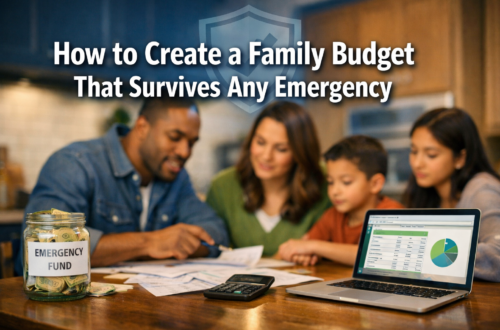


Let me be honest with you: I used to think budgeting was only for people who were already good with money. I’d look at my bank account every month, wonder where all my cash went, and promise myself I’d do better next time. Sound familiar? The truth is, learning tips for saving money on a budget isn’t about being perfect—it’s about making small, strategic changes that add up to big results. Whether you’re living paycheck to paycheck or just trying to build your emergency fund faster, these 21 practical strategies will help you cut costs without feeling deprived.
Key Takeaways
- Track every dollar: Understanding where your money goes is the foundation of successful budgeting and can reveal $200-$500 in monthly savings opportunities
- Automate your savings: Setting up automatic transfers removes willpower from the equation and helps you save consistently
- Cut the big three first: Housing, transportation, and food typically consume 60-70% of your budget—small percentage reductions here create massive savings
- Use psychological tricks: Gamifying your savings journey and addressing emotional spending triggers dramatically improves your success rate
- Start today, not tomorrow: Implementing even 3-5 of these strategies immediately can save you $3,000+ annually
Understanding Your Financial Starting Point: The Foundation of Budget Success

Before diving into specific tips for saving money on a budget, you need to know exactly where you stand financially. I’ve seen countless people skip this step and wonder why their budgeting efforts fail. Think of it like trying to use GPS without knowing your current location—you simply can’t map a route to your destination.
Track Every Expense for 30 Days
The first step in any successful budgeting journey is expense tracking. For one full month, record every single purchase—yes, even that $3 coffee. Use a budgeting app like Mint, YNAB (You Need A Budget), or even a simple spreadsheet. This practice of cash flow management reveals your true spending patterns, not what you think you spend.
Research shows that people who track expenses save 15-20% more than those who don’t [1]. Why? Because awareness creates accountability. When you see that you’re spending $400 monthly on takeout, it’s easier to make conscious changes.
Calculate Your True Income
Next, determine your actual take-home pay after taxes, insurance, and retirement contributions. This is your real income allocation number—not your gross salary. Many people budget based on their pre-tax income and wonder why they always come up short.
Identify Fixed vs. Variable Expenses
Separate your expenses into two categories:
- Fixed expenses: Rent/mortgage, insurance, car payments, subscriptions
- Variable expenses: Groceries, entertainment, dining out, shopping
This distinction is crucial for financial planning because it shows you where you have flexibility. You can’t easily change your rent next month, but you absolutely can reduce your grocery bill.
If you’re making common mistakes in this area, check out these budgeting mistakes to avoid that trip up most beginners.
21 Powerful Tips for Saving Money on a Budget
Now let’s dive into the actionable strategies that will transform your financial situation. I’ve organized these money saving strategies from easiest to implement to more advanced techniques.
1. Implement the 24-Hour Rule
Before making any non-essential purchase over $50, wait 24 hours. This simple pause disrupts emotional spending triggers and reduces impulse purchases by up to 60% [2]. I’ve personally saved thousands using this technique—turns out, most things I “needed” urgently weren’t actually necessary.
2. Automate Your Savings
Set up automatic transfers from checking to savings on payday. Even $25 per paycheck becomes $650 annually. This financial discipline technique works because it removes decision fatigue. You can’t spend what you don’t see.
3. Use the Cash Envelope System
Withdraw cash for variable expense categories (groceries, entertainment, personal spending) and divide it into envelopes. When an envelope is empty, you’re done spending in that category. This budgeting technique makes spending tangible and creates natural limits.
4. Negotiate Your Bills
Call your service providers (internet, phone, insurance) annually and ask for better rates. Companies often have unadvertised discounts for loyal customers. I recently saved $840 annually with three phone calls totaling 45 minutes. That’s $1,120 per hour of “work.”
5. Cancel Unused Subscriptions
The average American spends $273 monthly on subscriptions but only actively uses about half [3]. Audit your bank statements for recurring charges. Cancel anything you haven’t used in 30 days. This cost-cutting technique is immediate and painless.
6. Meal Plan and Prep
Planning meals weekly and cooking in batches reduces food costs by 30-40%. It also eliminates the “what’s for dinner?” panic that leads to expensive takeout. Sunday meal prep has saved me approximately $400 monthly.
7. Buy Generic Brands

Store brands are typically 20-40% cheaper than name brands with identical or similar quality. Start with non-perishables and household items. Over a year, this smart shopping strategy saves the average family $1,200-$2,000.
8. Use Cashback and Rewards Strategically
If you can use credit cards responsibly (paying full balance monthly), cashback rewards essentially give you a 1-5% discount on everything. Apps like Rakuten, Ibotta, and Fetch add another layer of savings. I earn $600-$800 annually in cashback without changing my spending.
9. Embrace the 30-Day List
Create a running list of non-essential items you want. If something’s still on the list after 30 days, consider purchasing it. Most items fall off the list, revealing they were temporary wants, not genuine needs. This mindful spending approach dramatically reduces buyer’s remorse.
10. Practice Zero-Based Budgeting
With zero-based budgeting, every dollar gets assigned a job—whether that’s bills, savings, or discretionary spending. Your income minus expenses should equal zero. This budgeting technique ensures nothing slips through the cracks and maximizes your resource optimization.
For a structured approach to this method, try the 30-day saving challenge which builds these habits progressively.
11. Reduce Energy Consumption
Small changes create big savings: LED bulbs, programmable thermostats, unplugging devices, washing clothes in cold water. These cost-cutting techniques can reduce utility bills by 15-25%, saving $300-$600 annually.
12. Buy Secondhand First
Check thrift stores, Facebook Marketplace, Craigslist, and Poshmark before buying new. Furniture, clothing, books, and electronics often cost 50-80% less used. This frugal living approach is also environmentally sustainable.
13. Implement No-Spend Days
Designate specific days each week where you spend zero money. Pack lunch, skip the coffee shop, find free entertainment. Start with one day weekly and build up. This practice strengthens your financial discipline muscles and can save $200+ monthly.
Learn more strategies in this guide on how to crush your no-spend challenge.
14. Use the Library
Libraries offer far more than books—many provide free streaming services, museum passes, tool lending, classes, and community events. This free resource can replace $50-$100 in monthly entertainment spending.
15. DIY When Practical
Learn basic skills like cooking, home repairs, car maintenance, and haircuts through YouTube tutorials. Each skill you master is money saved. I learned to cut my own hair during the pandemic and save $360 annually.
16. Challenge Yourself with Savings Games
Gamification makes saving fun. Try the $5 challenge (save every $5 bill you receive), the 52-week challenge (save $1 week one, $2 week two, etc.), or penny doubling (save 1¢ day one, 2¢ day two, doubling daily). These savings psychology tricks leverage our competitive nature.
One person I know used these genius savings strategy hacks to save $3,000 in 90 days—proof that creative approaches work.
17. Optimize Transportation Costs
Transportation is often the second-largest expense category. Consider carpooling, biking, public transit, or combining errands to reduce driving. Even one less fill-up monthly saves $200-$300 annually.
18. Build a Price Book
Track the lowest prices you find for frequently purchased items. This reference guide helps you recognize genuine deals and avoid “sales” that aren’t actually savings. This smart shopping technique is especially valuable for groceries and household items.
19. Practice the One-In-One-Out Rule
For every new item you bring home, remove one similar item. This prevents accumulation, reduces clutter, and makes you think twice before purchasing. It’s a lifestyle optimization strategy that saves money and space.
20. Negotiate Everything
Beyond bills, negotiate medical bills, furniture prices, gym memberships, and even rent. The worst they can say is no, but you’d be surprised how often they say yes. This financial strategy requires confidence but delivers outsized returns.
21. Increase Your Income Simultaneously
While cutting costs is crucial, increasing income accelerates progress. Consider side hustles, freelancing, selling unused items, or asking for a raise. The combination of expense reduction and income growth creates financial momentum.
Explore realistic ideas for making money from home or discover passive income ideas to supplement your budget.
Overcoming Psychological Barriers to Budgeting Success
Here’s what most personal finance articles won’t tell you: budgeting isn’t primarily a math problem—it’s a psychology problem. Understanding the emotional and behavioral aspects of money management is crucial for long-term success.
Address Emotional Spending Triggers
We all have emotional spending triggers—stress, boredom, celebration, sadness. Identifying your specific triggers is the first step to breaking the cycle. Keep a spending journal that notes not just what you bought, but how you felt before the purchase.
Common triggers include:
- Stress spending: Shopping as stress relief
- Comparison spending: Keeping up with friends or social media
- Reward spending: “I deserve this” purchases
- Boredom spending: Shopping as entertainment
Once you identify your patterns, develop alternative coping strategies. Stressed? Take a walk. Bored? Call a friend. The key is interrupting the trigger-to-purchase pathway.
Reframe Your Relationship with Money
Many people view budgeting as restrictive or punishing. Instead, reframe it as financial wellness—giving yourself permission to spend guilt-free within your plan while building security for your future. This mindset shift transforms budgeting from deprivation to empowerment.
Build Financial Resilience
Financial resilience means having the systems and mindset to weather financial setbacks without derailing your progress. This includes:
- Emergency funds covering 3-6 months of expenses
- Diversified income sources
- Flexible budget categories
- Psychological preparedness for setbacks
Remember, one bad month doesn’t erase your progress. The goal is progress, not perfection.
If you’re dealing with debt alongside budgeting, these proven ways to pay down debt faster can help you tackle both simultaneously.
Creating Your Personalized Budget System
Not all budgets work for all people. Your budgeting technique should match your personality, income stability, and financial goals. Here are several proven frameworks:
The 50/30/20 Budget
Allocate 50% to needs, 30% to wants, and 20% to savings and debt repayment. This simple framework provides structure while maintaining flexibility. It’s ideal for beginners or those with stable income.
I personally tested this method and documented my experience—read about what I learned using the 50/30/20 budget rule for 2 months.
Zero-Based Budgeting
Every dollar gets assigned before the month begins. This income allocation method maximizes intentionality and is perfect for detail-oriented people who want complete control.
Pay Yourself First
Automatically save a set percentage (10-20%) immediately when income arrives, then budget the remainder. This prioritizes emergency savings and long-term financial goals before discretionary spending.
Envelope Budgeting (Digital or Physical)
Allocate specific amounts to categories and stop spending when that category is depleted. Modern apps like Goodbudget digitize this classic system.
The Anti-Budget
Track savings rate and one or two key spending categories, but otherwise spend freely. This works for disciplined savers who find detailed tracking stressful.
Choose the system that feels sustainable for your lifestyle. The best budget is the one you’ll actually follow.
Setting and Achieving Financial Goals
Financial goal setting transforms abstract budgeting into concrete achievements. Without clear goals, it’s hard to stay motivated when you’d rather spend than save.
Create SMART Financial Goals
Make goals Specific, Measurable, Achievable, Relevant, and Time-bound:
- ❌ Vague: “Save more money”
- ✅ SMART: “Save $5,000 for emergency fund by December 31, 2025, by saving $417 monthly”
Layer Short, Medium, and Long-Term Goals
- Short-term (0-1 year): Build $1,000 emergency fund, pay off credit card
- Medium-term (1-5 years): Save house down payment, eliminate student loans
- Long-term (5+ years): Retirement savings, children’s education fund
Having goals at multiple timelines maintains motivation. Short-term wins fuel commitment to longer-term objectives.
Visualize Your Progress
Create visual trackers—thermometer charts, savings jars, progress bars—that make abstract numbers tangible. Seeing progress triggers dopamine releases that reinforce positive spending habits.
Celebrate Milestones
When you hit savings milestones, celebrate appropriately (within budget!). Acknowledging progress reinforces the behaviors that created it and makes the journey enjoyable rather than purely sacrificial.
For an ambitious goal, check out this plan to save $10k this year with smart money-saving tips.
Technology and Tools for Budget Success
Modern technology makes expense tracking and financial planning easier than ever. Here are the most effective tools for 2025:
Budgeting Apps
- YNAB (You Need A Budget): Zero-based budgeting with excellent education
- Mint: Free, automatic tracking and categorization
- PocketGuard: Shows how much you can safely spend today
- EveryDollar: Simple, intuitive zero-based budgeting
- Goodbudget: Digital envelope system
Savings Automation Tools
- Digit: Analyzes spending and automatically saves optimal amounts
- Qapital: Gamified savings with customizable rules
- Acorns: Rounds up purchases and invests the difference
Price Tracking and Cashback
- Honey: Automatic coupon codes at checkout
- Rakuten: Cashback at thousands of retailers
- CamelCamelCamel: Amazon price history and alerts
- Ibotta: Grocery cashback app
Bill Negotiation Services
- Trim: Negotiates bills and cancels subscriptions
- Truebill: Subscription management and bill negotiation
- BillShark: Professional bill negotiation service
The right combination of tools creates a financial strategy that runs semi-automatically, reducing the mental load of constant decision-making.
Maintaining Long-Term Financial Wellness

Short-term budgeting wins are exciting, but financial wellness is a lifelong journey. Here’s how to maintain momentum:
Build Sustainable Habits, Not Temporary Fixes
Focus on lifestyle optimization rather than extreme restriction. A budget you can maintain for decades beats an aggressive budget you abandon after three months.
Adjust Your Budget Quarterly
Life changes—income fluctuates, expenses shift, goals evolve. Review and adjust your budget quarterly to ensure it still serves your current situation. This economic planning practice prevents the budget from becoming outdated and irrelevant.
Continue Your Financial Education
Financial literacy is an ongoing process. Read books, listen to podcasts, take courses, join communities. The more you learn, the more opportunities you’ll spot to optimize your finances.
Practice Gratitude and Contentment
Perhaps the most powerful money management tool is contentment. Gratitude for what you have reduces the constant desire for more. This doesn’t mean never wanting anything—it means distinguishing between genuine needs and manufactured wants.
Plan for Life Stages
Budgeting for different life stages requires different approaches:
- Young adults: Focus on building emergency funds and avoiding debt
- Families: Balance current needs with children’s future expenses
- Mid-career: Maximize retirement contributions and wealth building
- Pre-retirement: Transition from accumulation to preservation
- Retirement: Focus on sustainable withdrawal and legacy planning
Each stage requires different budgeting techniques and priorities.
For those working toward complete debt freedom, this step-by-step plan to become debt-free in 12 months provides a comprehensive roadmap.
Advanced Strategies for Maximum Savings
Once you’ve mastered the basics, these advanced tips for saving money on a budget can accelerate your progress:
Optimize Your Tax Situation
Understanding tax deductions, credits, and advantaged accounts (401k, IRA, HSA) can save thousands annually. Consider consulting a tax professional—the fee often pays for itself in savings identified.
Implement Geo-Arbitrage
If your work is remote, consider living in a lower cost-of-living area while earning higher-market wages. This resource optimization strategy can save 30-50% on housing and living expenses.
Master the Art of Strategic Timing
Buy winter clothes in spring, summer items in fall. Purchase big-ticket items during major sale events (Black Friday, Prime Day) but only if already planned. This smart shopping approach maximizes value without increasing consumption.
Create Multiple Income Streams
Financial resilience increases dramatically with diversified income. Beyond your primary job, consider freelancing, investing dividends, rental income, or digital products. Multiple streams provide security and accelerate savings.
Leverage Community Resources
Join buy-nothing groups, tool libraries, community gardens, and skill-sharing networks. These sustainable and ethical spending strategies reduce costs while building community connections.
Practice Intentional Upgrading
When items need replacement, research thoroughly and buy quality that lasts. Sometimes spending more upfront (quality boots, durable cookware, efficient appliances) saves money long-term compared to repeatedly replacing cheap versions.
Common Budgeting Pitfalls and How to Avoid Them
Even with the best tips for saving money on a budget, certain mistakes derail progress. Here’s how to avoid them:
Pitfall #1: Setting Unrealistic Budgets
Creating a budget so restrictive you can’t maintain it guarantees failure. Start with your actual spending, then gradually reduce categories by 5-10%. Sustainable change beats dramatic unsustainable change.
Pitfall #2: Forgetting Irregular Expenses
Annual insurance premiums, holiday gifts, car maintenance—irregular expenses ambush unprepared budgets. Create a “sinking fund” category where you save monthly for predictable irregular expenses.
Pitfall #3: Not Budgeting for Fun
All restriction and no enjoyment leads to budget burnout and rebellion spending. Allocate money for guilt-free enjoyment. Permission to spend on what truly matters prevents the deprivation mindset.
Pitfall #4: Ignoring Small Purchases
“It’s only $5” thinking destroys budgets. Those small purchases accumulate to hundreds monthly. Track everything, or use the cash envelope system to create natural limits.
Pitfall #5: Comparing Your Journey to Others
Your financial situation, goals, and timeline are unique. Comparing yourself to others creates unnecessary pressure and dissatisfaction. Focus on your progress, not others’ highlight reels.
For more detailed guidance on what not to do, review these common budgeting mistakes that trip up even experienced budgeters.
Building Your Emergency Fund: The Ultimate Financial Security
No discussion of tips for saving money on a budget is complete without addressing emergency savings. This fund is your financial foundation—the difference between a setback and a catastrophe.
Why Emergency Funds Matter
Unexpected expenses—medical bills, car repairs, job loss—happen to everyone. Without savings, these emergencies force you into debt, undoing your budgeting progress. An emergency fund breaks this cycle.
How Much to Save
Financial experts recommend 3-6 months of essential expenses. If your income is variable or you’re self-employed, aim for 6-12 months. This might seem overwhelming, but start with a micro-goal: $500, then $1,000, then one month’s expenses.
Where to Keep It
Emergency funds should be:
- Accessible: Savings account, not investment accounts
- Separate: Not your checking account (reduces temptation)
- Earning interest: High-yield savings account (currently 4-5% APY in 2025)
Building It Systematically
Automate transfers to your emergency fund on payday. Even $25 weekly becomes $1,300 annually. Deposit windfalls (tax refunds, bonuses, gifts) directly to this fund. Make it the first savings goal before other objectives.
The Connection Between Mental Health and Financial Wellness
An often-overlooked aspect of personal finance is the profound connection between mental health and financial stress. Financial anxiety affects 73% of Americans, making it the leading cause of stress [4].
Recognize Financial Stress Symptoms
Financial stress manifests as:
- Sleep problems
- Relationship conflicts
- Physical health issues
- Avoidance behaviors (not checking accounts)
- Anxiety and depression
Acknowledging these symptoms is the first step toward addressing them.
Break the Shame Cycle
Financial struggles carry unnecessary shame. Remember: 78% of Americans live paycheck to paycheck [5]. You’re not alone, and your worth isn’t determined by your bank balance.
Seek Support When Needed
Consider:
- Financial counselors (often free through nonprofits)
- Therapists specializing in financial anxiety
- Support groups for debt or financial challenges
- Trusted friends or family for accountability
Practice Financial Self-Care
Financial wellness includes:
- Regular budget check-ins without judgment
- Celebrating small wins
- Forgiving yourself for mistakes
- Taking breaks from financial content when overwhelmed
- Focusing on progress, not perfection
Improving your financial situation improves mental health, and vice versa. They’re interconnected aspects of overall wellness.
Conclusion: Your Journey to Financial Freedom Starts Today
Learning and implementing tips for saving money on a budget isn’t about deprivation—it’s about intentionality. It’s choosing to spend on what truly matters while eliminating waste on what doesn’t. Every dollar you save is a vote for your future self, your financial goals, and your peace of mind.
The 21 strategies outlined here aren’t all-or-nothing. Start with 3-5 that resonate most with your situation. Master those, then add more. Small, consistent actions compound into life-changing results.
Remember these key principles:
✅ Track before you change: You can’t improve what you don’t measure
✅ Automate what you can: Remove willpower from the equation
✅ Focus on the big three: Housing, transportation, and food offer the biggest savings opportunities
✅ Address the psychology: Emotional spending patterns matter more than math
✅ Make it sustainable: A budget you maintain beats a perfect budget you abandon
Your Next Steps:
- This week: Track every expense and calculate your true monthly income
- This month: Implement 5 strategies from this article and automate one savings transfer
- This quarter: Build your first $500 emergency fund and review your progress
- This year: Achieve your first major financial goal and celebrate your transformation
Financial freedom isn’t reserved for high earners—it’s available to anyone willing to be intentional with their resources. You have everything you need to start right now. The question isn’t whether you can do this; it’s whether you will.
Your future self is counting on the decisions you make today. Make them count.
For more comprehensive guidance on building your financial foundation, visit MSBudget for additional resources, tools, and community support on your journey to financial wellness.