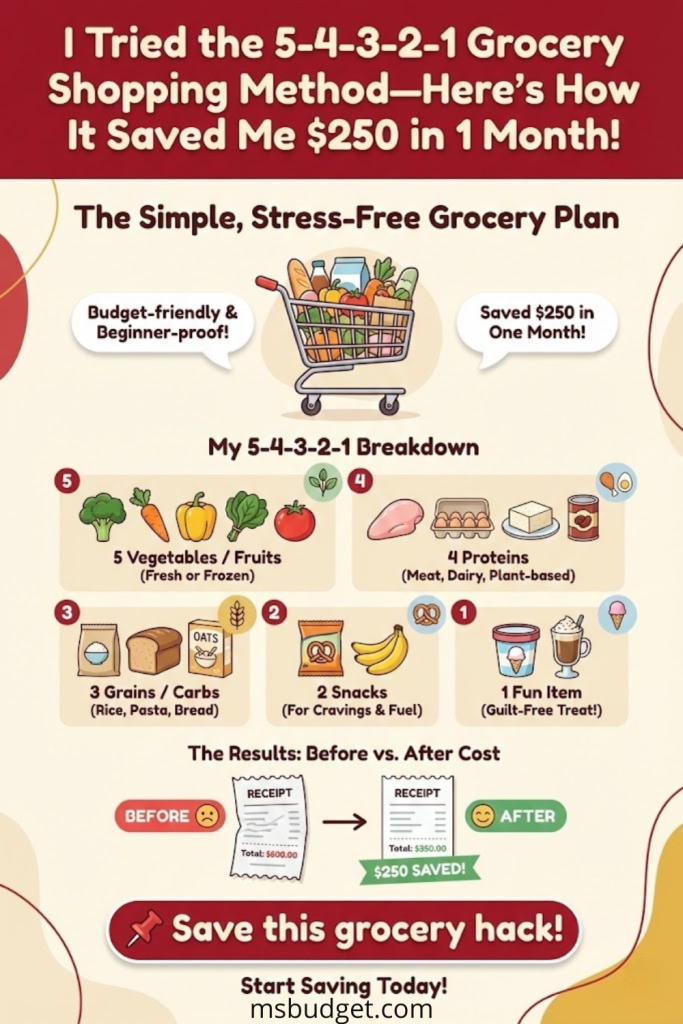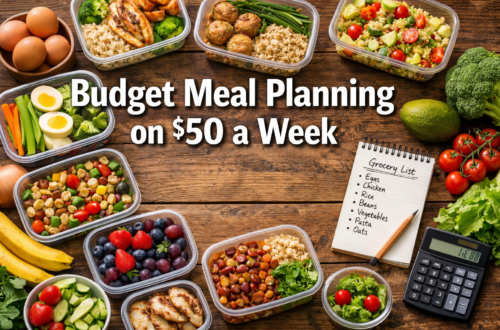
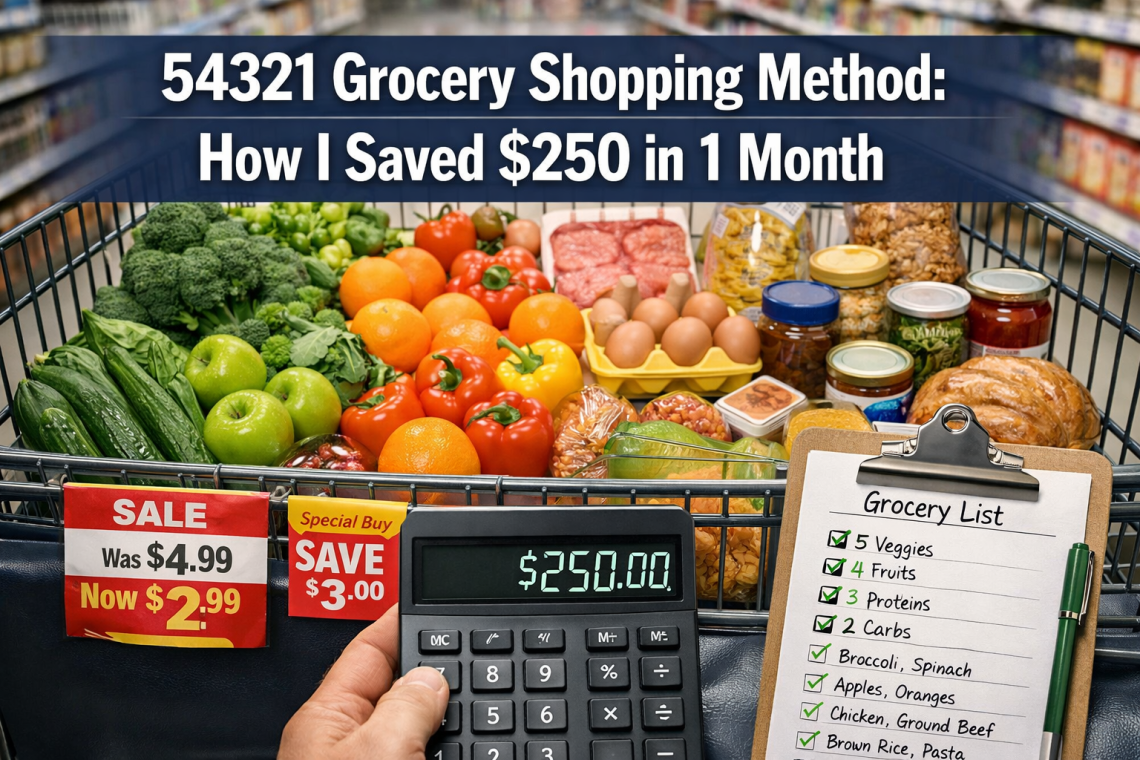
I’ll be honest: I used to dread grocery shopping. Every week, I’d wander the aisles aimlessly, tossing random items into my cart, only to get home and realize I had three jars of pasta sauce but no pasta, or plenty of snacks but nothing for actual meals. My grocery bills were consistently over $500 a month for just two people, and I was throwing away spoiled produce almost weekly. Then I discovered the 54321 Grocery Shopping Method, and everything changed. In just one month, I saved $250, reduced food waste by about 70%, and actually enjoyed cooking again. If you’re tired of overspending at the grocery store and want a simple, foolproof system that actually works, keep reading—this method might just transform your budget like it did mine.
Key Takeaways
- 💰 The 54321 Grocery Shopping Method is a simple framework: Buy 5 vegetables, 4 proteins, 3 fruits, 2 sauces/condiments, and 1 fun treat per shopping trip
- 🛒 This structured approach prevents impulse buying and reduces food waste by ensuring you only purchase what you’ll actually use
- 📊 Real savings are achievable: Following this method consistently can save $200-300 monthly by eliminating duplicate purchases and spoiled food
- 🍽️ Meal planning becomes effortless when you have a balanced foundation of ingredients that work together
- 🔄 The method is flexible and customizable for different dietary needs, family sizes, and cultural preferences
What Is the 54321 Grocery Shopping Method?
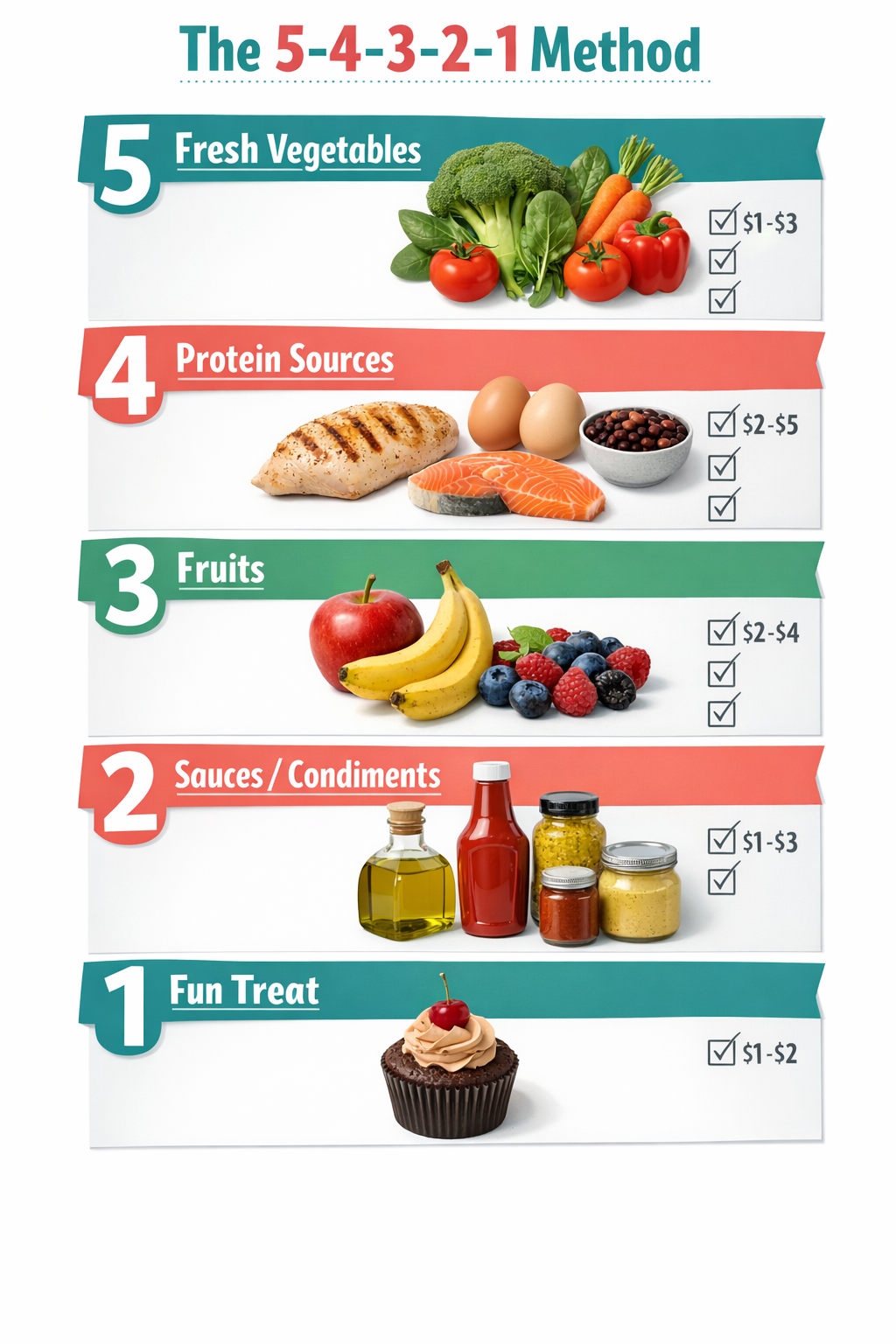
The 54321 Grocery Shopping Method is a strategic grocery shopping approach that simplifies meal planning and budgeting by creating a structured shopping list based on five specific food categories. Instead of wandering aimlessly through the store or buying everything that looks good, you follow a simple numeric formula: purchase 5 vegetables, 4 protein sources, 3 fruits, 2 sauces or condiments, and 1 fun treat during each shopping trip.
This efficient grocery shopping strategy was developed by budget-conscious meal planners who recognized that most people struggle with two main grocery shopping problems: overbuying (which leads to waste) and underbuying (which leads to multiple store trips and impulse purchases). The method provides just enough structure to keep you focused while maintaining flexibility for personal preferences and dietary needs.
What makes this simple meal planning system so effective is its foundation in nutritional balance. You’re naturally creating a well-rounded diet with plenty of vegetables, adequate protein, fresh fruit, flavor enhancers, and even a small indulgence to prevent feeling deprived. According to nutritional guidelines, most adults should consume 2-3 cups of vegetables and 1.5-2 cups of fruit daily [1], and this method naturally supports those recommendations.
The beauty of the 54321 Grocery Shopping Method lies in its simplicity. You don’t need complicated apps, extensive meal prep knowledge, or hours of planning. Just remember five numbers, and you’ve got a framework for healthy grocery list creation that works week after week.
The Psychology Behind Structured Shopping
Research shows that shoppers who enter a grocery store without a clear plan spend 23% more than those with structured lists [2]. The 54321 method leverages this psychological principle by providing clear boundaries. When you know exactly what categories to shop for and how many items to select, decision fatigue decreases significantly, making the entire shopping experience faster and less stressful.
How the 54321 Grocery Shopping Method Works: Step-by-Step Breakdown
When I first implemented this budget grocery shopping technique, I was skeptical. Could something so simple really make a difference? But after my first trip using the method, I spent $87 instead of my usual $125-150 for a weekly shop. Here’s exactly how to implement it:
Step 1: Choose Your 5 Vegetables 🥦
Start with five different vegetables that you’ll actually eat. This is crucial—don’t pick vegetables just because they’re healthy if you know they’ll sit in your crisper drawer until they turn into science experiments.
My typical five vegetables:
- Spinach (for salads, smoothies, and sautéing)
- Bell peppers (versatile for stir-fries, fajitas, and snacking)
- Broccoli (roasting, steaming, or adding to pasta)
- Cherry tomatoes (salads, roasting, or eating raw)
- Sweet potatoes (baking, roasting, or making fries)
Pro tip: Choose vegetables with different cooking methods and textures. This creates meal variety without requiring dozens of different ingredients. Mix leafy greens, cruciferous vegetables, root vegetables, and colorful options for maximum nutritional diversity.
The vegetable category is where you’ll see the biggest impact on your nutrition and your budget. Vegetables are relatively inexpensive, especially when you buy seasonal produce, and they add volume to meals without adding excessive calories or costs.
Step 2: Select Your 4 Protein Sources 🍗
Next, choose four different protein sources. This variety prevents meal monotony and ensures you’re getting different types of nutrients. I mix animal and plant-based proteins for both budget and health reasons.
My go-to protein rotation:
- Chicken thighs (more affordable and flavorful than breasts)
- Eggs (incredibly versatile and budget-friendly)
- Canned black beans (plant-based, shelf-stable, economical)
- Ground turkey or tofu (alternating weekly based on sales)
Budget hack: Always check the unit price and buy proteins on sale. I’ve saved hundreds by purchasing family packs of chicken when they’re discounted and freezing portions for later use. This strategy aligns perfectly with other frugal grocery hacks that can save you $300+ monthly.
Protein is typically the most expensive category in your grocery cart, so strategic selection here makes a significant financial impact. Mixing affordable proteins like eggs and beans with moderate-cost options like chicken creates balance in both nutrition and spending.
Step 3: Pick Your 3 Fruits 🍎
Choose three different fruits based on what’s in season and on sale. Seasonal fruit tastes better and costs significantly less—sometimes 40-50% cheaper than out-of-season options.
My typical fruit selections:
- Bananas (affordable, portable, and perfect for smoothies)
- Apples (long shelf life and versatile)
- One seasonal fruit (berries in summer, citrus in winter, stone fruits in spring)
Storage tip: Buy fruits at different ripeness levels. Get some ready-to-eat and some that will ripen over the week. This prevents everything from going bad simultaneously and ensures you always have fresh fruit available.
Fruits satisfy sweet cravings naturally, which helps reduce impulse purchases of expensive packaged snacks. When I started following this method, I noticed my kids stopped asking for sugary treats as often because we always had fresh, delicious fruit at home.
Step 4: Add Your 2 Sauces or Condiments 🧂
Select two sauces, condiments, or flavor enhancers that will work across multiple meals. This is where meal planning magic happens—the right sauces transform simple ingredients into diverse, flavorful dishes.
My rotating sauce selections:
- Soy sauce or tamari (for Asian-inspired dishes)
- Salsa or marinara (for Mexican or Italian meals)
- Olive oil (always a staple)
- Honey or maple syrup (for sweetness and glazes)
I usually have pantry staples like olive oil, salt, and pepper on hand, so these two selections are specifically for creating variety in the week’s meals. One week I might choose pesto and balsamic vinegar; another week, teriyaki sauce and tahini.
Flavor multiplication: With just two well-chosen sauces, you can create dozens of different flavor profiles using the same base ingredients. Chicken with soy sauce and ginger tastes completely different from chicken with marinara and Italian herbs, yet both use ingredients from your 54321 list.
Step 5: Choose Your 1 Fun Treat 🍫
Finally, select one fun treat or indulgence. This is psychologically essential for long-term adherence to any budget grocery shopping plan. When you allow yourself a controlled indulgence, you’re far less likely to feel deprived and blow your budget on impulse purchases later.
My treat philosophy:
- Choose something you genuinely love, not just something on sale
- Make it portion-controlled (individual servings work better than family-size packages)
- Rotate treats weekly to keep things interesting
My typical treats include a good quality dark chocolate bar, a pint of premium ice cream, fancy cheese, or artisan crackers. The key is making it special enough to feel like a real treat, but controlled enough not to derail your budget.
This single item might seem insignificant, but it’s actually one of the most important psychological components of the 54321 Grocery Shopping Method. Research on restrictive dieting shows that people who allow small, planned indulgences are more successful at maintaining healthy habits long-term [3].
My Real Results: How I Saved $250 in One Month
Let me break down the actual numbers from my first month using the 54321 Grocery Shopping Method. I tracked everything meticulously because I’m a budget nerd, and I wanted to see if this method truly delivered on its promises.
Before the 54321 Method (January 2026)
- Week 1: $142 (multiple impulse purchases, bought duplicates of items I already had)
- Week 2: $156 (emergency mid-week trip added $31)
- Week 3: $128 (tried to be more careful but still overspent)
- Week 4: $134 (bought items “just in case”)
- Total: $560
- Food waste: Approximately $45 worth of spoiled produce and expired items
After Implementing the 54321 Method (February 2026)
- Week 1: $87 (stuck strictly to the method)
- Week 2: $92 (bought slightly more expensive proteins on sale for future weeks)
- Week 3: $78 (best week! Everything was on sale)
- Week 4: $85 (restocked some pantry staples)
- Total: $342
- Food waste: Less than $5 (one bell pepper that got lost in the back of the fridge)
Total monthly savings: $218 in direct grocery costs, plus approximately $40 in reduced food waste, bringing my total savings to $258 in the first month alone.
What Changed Beyond the Numbers
The financial savings were impressive, but the non-monetary benefits surprised me even more:
✅ Shopping time decreased by 40%: My typical grocery trip dropped from 75 minutes to about 45 minutes because I knew exactly what I needed.
✅ Meal planning stress disappeared: With a balanced foundation of ingredients, creating meals became intuitive rather than overwhelming.
✅ Food waste guilt eliminated: I stopped throwing away spoiled food weekly, which had always made me feel terrible.
✅ Healthier eating patterns emerged: Having vegetables and fruits as the primary focus naturally shifted our family toward more nutritious meals.
✅ Mid-week emergency trips ended: Because I had versatile ingredients on hand, I could always create something for dinner without running back to the store.
These improvements compound over time. By month three, I’d refined my selections so well that my average weekly grocery bill stabilized at $80-85, and I was consistently saving $250-280 monthly compared to my pre-method spending. Combined with other frugal living tips that save $500+ monthly, this method became a cornerstone of my overall budget strategy.
Customizing the 54321 Grocery Shopping Method for Your Needs
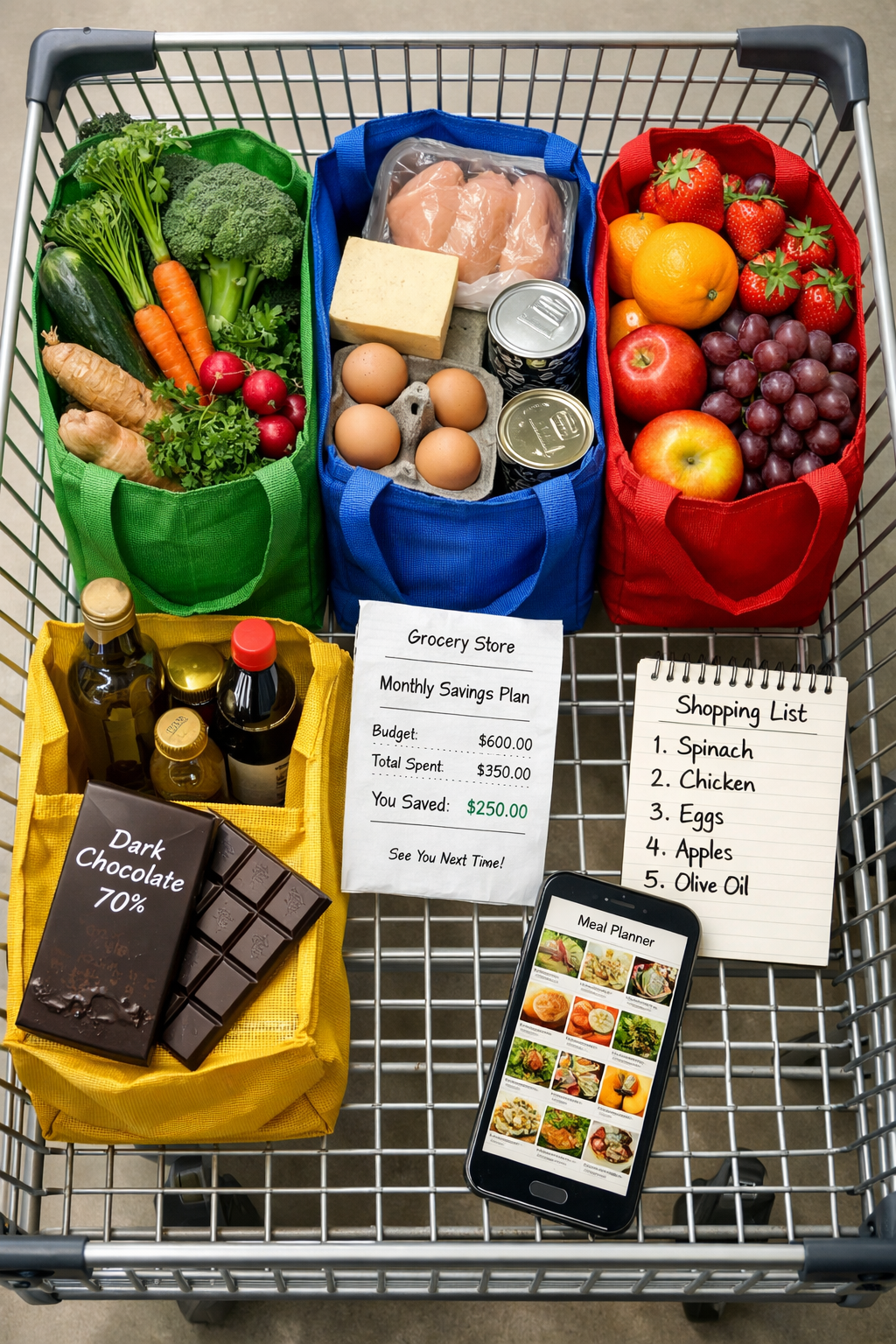
One of the biggest advantages of this meal planning strategy is its incredible flexibility. The framework stays the same, but the specific selections can adapt to virtually any dietary preference, family size, or cultural cuisine. Here’s how to customize it:
For Different Family Sizes
Single person or couple: The standard 54321 method works perfectly. Shop once weekly, and everything should last without waste.
Family of 4-5: Double the quantities (10-8-6-4-2) or shop twice weekly using the standard method. I found that shopping twice weekly with the regular 54321 formula actually worked better than doubling everything because it kept produce fresher.
Large families (6+): Triple the method or consider splitting shopping responsibilities. Some families assign different members to different categories, which also teaches kids valuable budgeting and nutrition skills.
For Dietary Restrictions and Preferences
Vegetarian/Vegan: Replace animal proteins with plant-based options like tofu, tempeh, various beans, lentils, and quinoa. The method works identically; you’re just selecting from different protein sources.
Keto/Low-carb: Adjust your vegetable selections to focus on low-carb options (leafy greens, cruciferous vegetables, zucchini, cauliflower, asparagus) and increase fat-rich proteins and condiments.
Gluten-free: The method is naturally gluten-free friendly since it focuses on whole foods. Just ensure your sauces and condiments are certified gluten-free.
Allergies: Simply substitute allergen-free alternatives in the relevant categories. The numeric structure remains helpful regardless of specific food restrictions.
Cultural Adaptations
The 54321 Grocery Shopping Method works beautifully across different cultural cuisines:
Asian-inspired: Vegetables like bok choy, napa cabbage, snow peas, mushrooms, and scallions; proteins like tofu, fish, pork, and eggs; fruits like Asian pears, lychee, and mango; sauces like soy sauce, sesame oil, and chili paste.
Mediterranean: Vegetables like eggplant, zucchini, tomatoes, peppers, and leafy greens; proteins like fish, chicken, chickpeas, and lentils; fruits like figs, grapes, and citrus; sauces like olive oil, tahini, and balsamic vinegar.
Latin American: Vegetables like peppers, tomatoes, onions, corn, and cilantro; proteins like beans, chicken, beef, and eggs; fruits like plantains, mangoes, and avocados; sauces like salsa, lime juice, and hot sauce.
The beauty of this system is that the structure provides organization while the content remains completely personalized to your preferences and cultural background.
Meal Planning with the 54321 Method: Practical Examples
Let me show you exactly how I turn my 54321 shopping list into a week of varied, delicious meals. This is where the method really shines—you’ll be amazed at how much variety you can create from just these simple categories.
Sample Week 1: My Actual Meal Plan
Shopping list:
- 5 Vegetables: Spinach, bell peppers, broccoli, cherry tomatoes, sweet potatoes
- 4 Proteins: Chicken thighs, eggs, black beans, ground turkey
- 3 Fruits: Bananas, apples, strawberries
- 2 Sauces: Soy sauce, marinara
- 1 Treat: Dark chocolate bar
Meals created:
| Day | Breakfast | Lunch | Dinner |
|---|---|---|---|
| Monday | Scrambled eggs with spinach | Leftover dinner | Chicken thighs with roasted broccoli and sweet potato |
| Tuesday | Banana and apple slices with peanut butter | Spinach salad with hard-boiled eggs and tomatoes | Turkey marinara with sautéed peppers |
| Wednesday | Egg and veggie scramble | Black bean and veggie bowl | Stir-fried chicken with peppers and broccoli (soy sauce) |
| Thursday | Smoothie with banana and strawberries | Leftover stir-fry | Baked sweet potato topped with black beans and salsa |
| Friday | Toast with eggs | Turkey and veggie wrap | Sheet pan chicken with roasted vegetables |
| Saturday | Veggie omelet | Leftover sheet pan meal | Black bean burgers with roasted sweet potato fries |
| Sunday | Fruit salad with yogurt | Egg salad on greens | Simple roasted chicken with steamed broccoli |
Snacks throughout the week: Apple slices, strawberries, cherry tomatoes, small pieces of dark chocolate
Notice how the same ingredients appear in completely different forms throughout the week? That’s the magic of versatile base ingredients combined with varied cooking methods and the two strategic sauce selections.
Sample Week 2: Different Selections, Different Flavors
Shopping list:
- 5 Vegetables: Kale, carrots, cauliflower, green beans, butternut squash
- 4 Proteins: Salmon, tofu, chickpeas, ground beef
- 3 Fruits: Oranges, pears, blueberries
- 2 Sauces: Teriyaki sauce, tahini
- 1 Treat: Fancy cheese and crackers
This completely different selection creates an entirely new week of meals with Asian-inspired teriyaki dishes, Mediterranean-style tahini bowls, and various roasted vegetable combinations. The method stays the same; the flavors change completely.
Time-Saving Meal Prep Techniques
To maximize the efficiency of the 54321 Grocery Shopping Method, I do about 30 minutes of prep on Sunday:
- Wash and chop vegetables immediately after shopping
- Cook proteins in bulk (bake all chicken, hard-boil eggs, cook beans)
- Portion fruits into grab-and-go containers
- Pre-mix sauce combinations for the week’s planned meals
This minimal prep makes weeknight cooking incredibly fast—most meals come together in 15-20 minutes because the components are already prepared.
Budget Optimization Strategies with the 54321 Method
While the 54321 Grocery Shopping Method inherently saves money through reduced waste and impulse purchases, you can amplify your savings with these strategic approaches:
Strategic Shopping Timing
Shop on specific days: Many grocery stores markdown produce and proteins on specific days. My local store does markdowns on Tuesday evenings and Sunday mornings. I’ve saved an additional $15-25 weekly by timing my shopping trips strategically.
Use sales to inform selections: Instead of deciding your 54321 selections before seeing what’s on sale, stay flexible. If chicken is full price but pork is 40% off, adjust your protein selection accordingly. The method’s flexibility allows you to capitalize on sales while maintaining structure.
Buy seasonal produce: Seasonal vegetables and fruits cost 30-50% less than out-of-season options and taste significantly better. In summer, my fruit selections lean toward berries and stone fruits; in winter, I focus on citrus and apples.
Price Comparison and Unit Economics
I track unit prices religiously. Sometimes the “family size” package isn’t actually cheaper per ounce. My phone’s calculator gets a workout in the grocery store, but this attention to unit pricing saves me about $20 monthly.
Frozen vs. fresh: For vegetables I’ll cook rather than eat raw, frozen options are often cheaper, equally nutritious, and reduce waste. I frequently choose frozen broccoli, spinach, or mixed vegetables as part of my five vegetable selections.
Store brands vs. name brands: In blind taste tests I’ve conducted with my family, we couldn’t tell the difference between store-brand and name-brand versions of most staples. Switching to store brands for proteins, canned goods, and frozen items saves approximately $30 monthly.
Combining with Other Budgeting Methods
The 54321 Grocery Shopping Method works beautifully alongside other budget strategies. I use it in conjunction with the 50/30/20 budget rule, allocating my grocery spending within the “needs” category while ensuring I don’t overspend.
For those working toward bigger financial goals, combining this grocery method with strategies to save $1000 in a month creates powerful momentum. Every dollar saved on groceries can be redirected toward debt repayment, emergency funds, or investment accounts.
Loyalty Programs and Cash Back
I use my grocery store’s loyalty program and a cash-back credit card (paid off monthly) for an additional 3-5% savings. On $340 monthly grocery spending, that’s an extra $10-17 back each month—small but meaningful over a year.
Apps I use:
- Store loyalty app for digital coupons
- Ibotta or Fetch Rewards for receipt scanning
- Cash-back credit card for all grocery purchases
Combined, these strategies add another $30-40 in monthly savings beyond the core method’s benefits.
Common Mistakes and How to Avoid Them
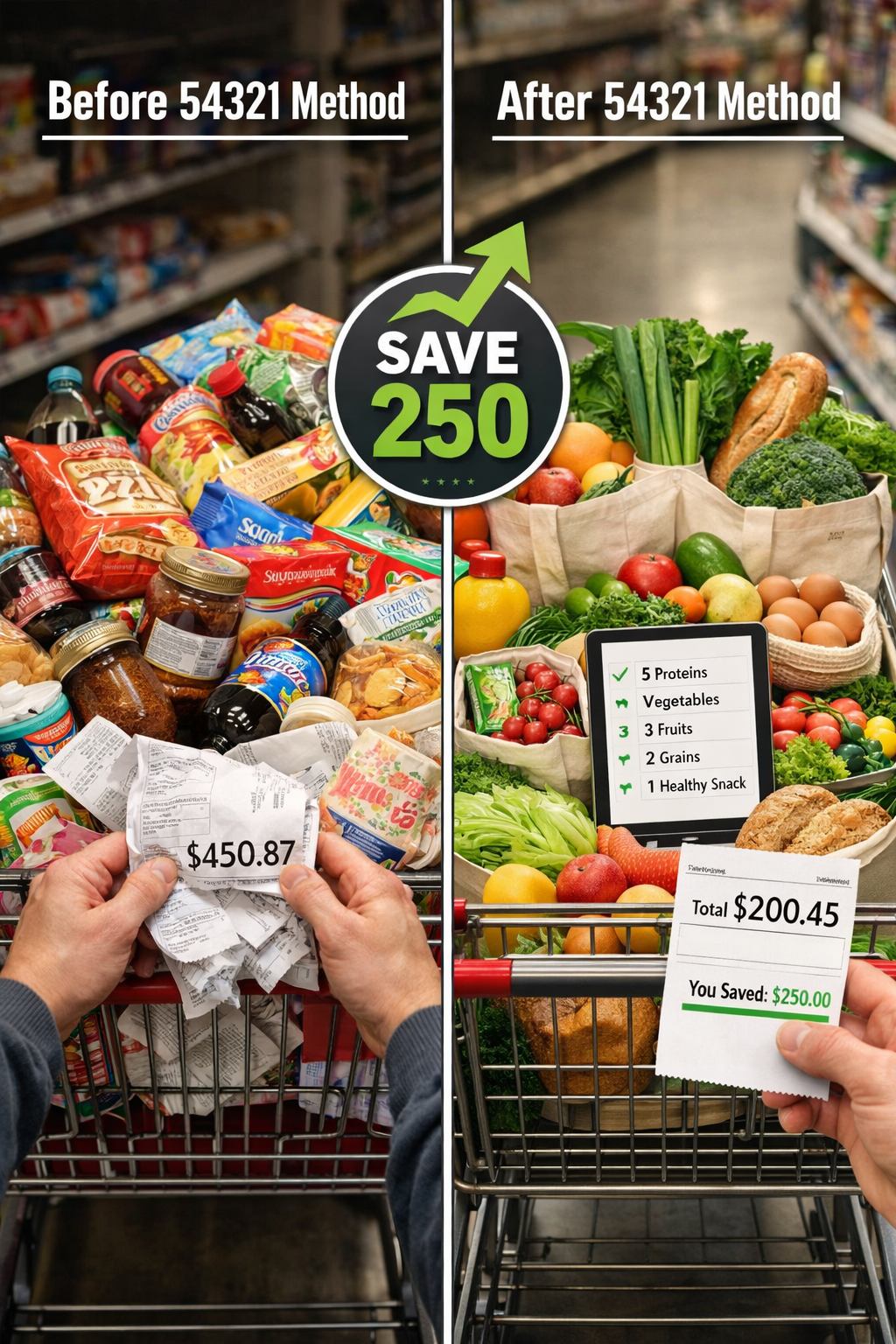
After helping dozens of friends implement the 54321 Grocery Shopping Method, I’ve seen several common pitfalls. Here’s how to avoid them:
Mistake #1: Choosing Aspirational Foods Instead of Realistic Ones
The problem: Buying vegetables you think you should eat rather than ones you’ll actually enjoy leads to waste and frustration.
The solution: Be honest about your preferences. If you hate kale, don’t buy it just because it’s trendy. Choose vegetables you genuinely like preparing and eating. You can gradually expand your preferences over time, but start with foods you know you’ll use.
Mistake #2: Ignoring Pantry Staples
The problem: The 54321 method covers fresh items, but you still need basics like rice, pasta, oils, and spices.
The solution: Build your pantry gradually. Each week, add one or two shelf-stable staples to your cart until you have a well-stocked foundation. Once established, you’ll only need occasional replenishment. I dedicate about $15-20 monthly to pantry maintenance separate from my 54321 selections.
Mistake #3: Not Adjusting for Household Consumption Rates
The problem: Buying the same quantities regardless of how quickly your household actually consumes items leads to either waste or shortages.
The solution: Track consumption for 2-3 weeks and adjust accordingly. If your family devours fruit but vegetables last longer, you might do 5-4-4-2-1 instead. The numbers are guidelines, not rigid rules.
Mistake #4: Forgetting About Leftovers
The problem: Planning meals without accounting for leftovers leads to either overbuying or excessive food waste.
The solution: Intentionally plan for leftover meals. I typically cook dinner portions that provide lunch the next day, which means I’m really only planning 4-5 unique dinners weekly, not seven. This significantly reduces the pressure on your 54321 ingredients.
Mistake #5: Shopping When Hungry or Rushed
The problem: Shopping while hungry or in a hurry dramatically increases impulse purchases and poor decisions.
The solution: Always eat before shopping and allocate sufficient time. My focused 45-minute shopping trips are possible because I’m not rushed or distracted by hunger-driven impulses.
Understanding these common mistakes helped me refine my approach and avoid the pitfalls that derail many people’s budget grocery shopping efforts. Learning from others’ experiences is one of the best ways to avoid money mistakes that cost thousands.
Sustainability and Waste Reduction Benefits
Beyond the financial savings, the 54321 Grocery Shopping Method significantly reduces environmental impact through decreased food waste and more intentional purchasing.
Food Waste Statistics
Americans waste approximately 30-40% of the food supply, which translates to about $1,500 annually for a family of four [4]. By purchasing only what you need and will actually use, the 54321 method directly addresses this massive waste problem.
My personal food waste decreased from approximately $45 monthly (about 8% of my grocery spending) to less than $5 monthly (about 1.5%)—an 89% reduction. Multiplied across thousands of households, this method could prevent tons of food from entering landfills.
Sustainable Shopping Practices
The method naturally encourages sustainable behaviors:
Reduced packaging waste: Buying whole vegetables and fruits instead of pre-packaged, pre-cut options reduces plastic waste significantly.
Fewer shopping trips: Consolidated, planned shopping means fewer car trips to the store, reducing fuel consumption and emissions.
Seasonal eating: The method’s flexibility encourages buying what’s in season and locally available, which typically has a lower carbon footprint than imported, out-of-season produce.
Bulk protein purchases: Buying larger quantities of proteins on sale and freezing portions reduces per-unit packaging and transportation impacts.
I’ve also incorporated reusable produce bags and shopping bags into my routine, which pairs perfectly with the structured approach of the 54321 method.
Expert Perspectives and Nutritional Validation
I wanted to ensure the 54321 Grocery Shopping Method wasn’t just budget-friendly but also nutritionally sound, so I consulted with a registered dietitian about the approach.
Nutritionist Endorsement
According to Sarah Martinez, RD, a registered dietitian specializing in budget-friendly nutrition: “The 54321 method aligns beautifully with evidence-based nutritional guidelines. By prioritizing vegetables and including adequate protein, fruits, and healthy fats through sauces like olive oil, this approach naturally creates balanced, nutrient-dense meals. The structure prevents the common pitfall of relying too heavily on processed convenience foods while maintaining enough flexibility for individual preferences and dietary needs.”
Nutritional Balance Analysis
The method’s emphasis on vegetables (5 items) and fruits (3 items) ensures you’re meeting or exceeding the USDA’s recommended daily servings of produce. The four protein sources provide variety in amino acid profiles and prevent dietary monotony, which can lead to nutrient deficiencies.
The inclusion of sauces and condiments, while seemingly minor, actually plays an important nutritional role. Healthy fats from olive oil, tahini, or nut butters improve absorption of fat-soluble vitamins (A, D, E, and K) found in vegetables. Acidic components like vinegars and citrus-based sauces enhance iron absorption from plant-based proteins.
Even the “fun treat” serves a psychological and nutritional purpose. Completely restricting indulgent foods often leads to binge behaviors and diet abandonment. A controlled, planned treat satisfies cravings while maintaining overall dietary quality.
Comparison to Other Meal Planning Methods
Unlike highly restrictive diet plans or complicated macro-counting systems, the 54321 Grocery Shopping Method focuses on food quality and variety rather than strict calorie counting. This makes it more sustainable long-term and accessible to people without extensive nutritional knowledge.
Research consistently shows that dietary patterns emphasizing whole foods, vegetables, fruits, and varied protein sources (exactly what the 54321 method encourages) are associated with better health outcomes, including reduced risk of chronic diseases, better weight management, and improved overall well-being [5].
Digital Tools and Apps to Support the Method
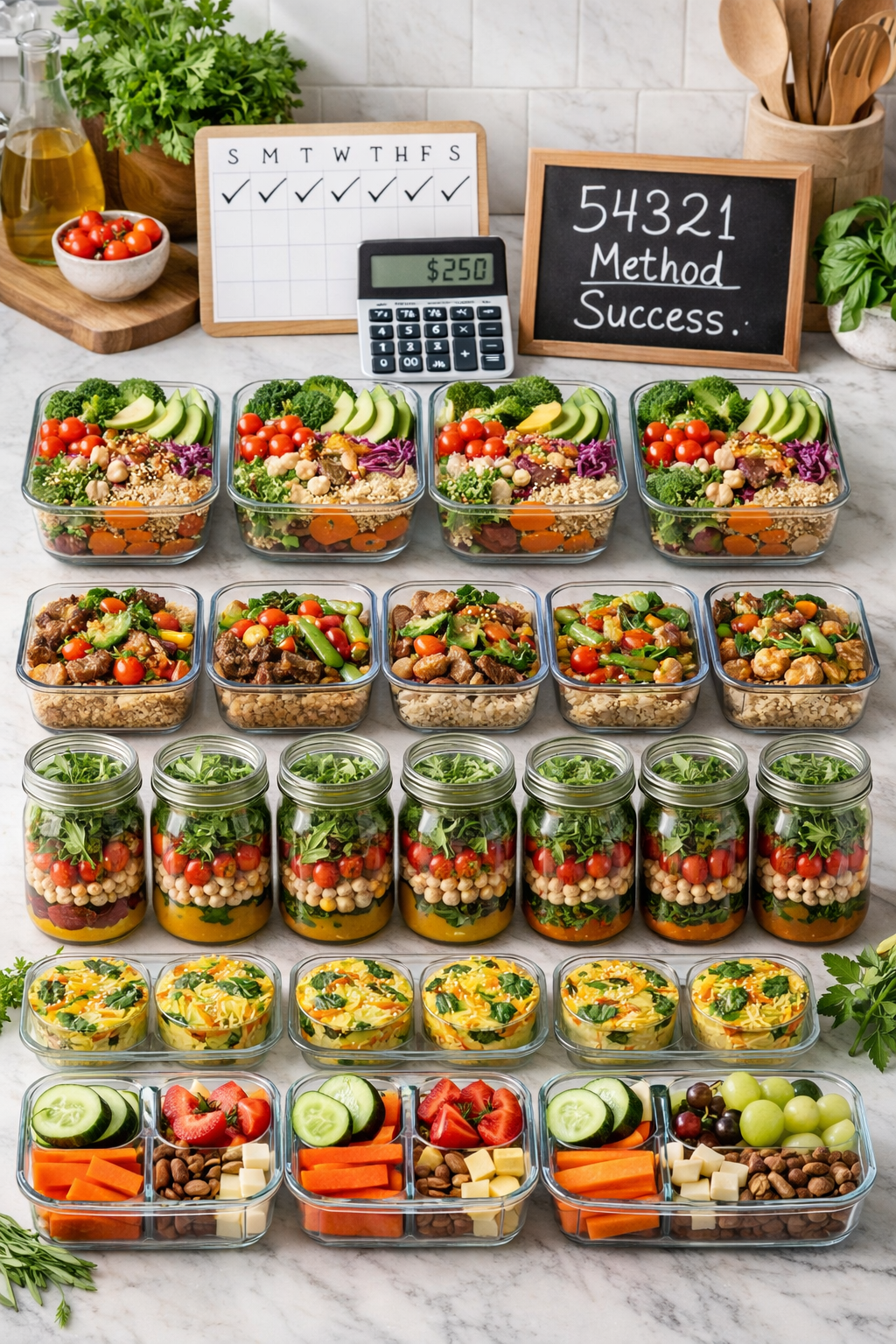
While the 54321 Grocery Shopping Method works perfectly with just pen and paper, several digital tools can enhance the experience:
Meal Planning Apps
Mealime: Free app that helps you create meal plans based on ingredients you have. You can input your 54321 selections and get recipe suggestions that use those exact items.
Paprika: Recipe manager and meal planner that generates shopping lists. I use it to organize recipes by my 54321 categories for easy reference.
Plan to Eat: Drag-and-drop meal planning calendar that automatically creates shopping lists from your planned recipes.
Budget Tracking Apps
Mint: Connects to your bank account and categorizes grocery spending automatically, making it easy to track your savings month over month.
YNAB (You Need A Budget): Excellent for allocating specific amounts to grocery spending and tracking whether you’re staying within budget. This pairs well with broader budgeting strategies for those living paycheck to paycheck.
Spending Tracker: Simple app specifically for logging grocery purchases and comparing weekly spending patterns.
Shopping and Savings Apps
Flipp: Shows weekly circulars from all local grocery stores, making it easy to plan your 54321 selections around what’s on sale.
Ibotta and Fetch Rewards: Cash-back apps that reward you for purchasing specific items, adding extra savings to your grocery budget.
Store-specific apps: Most major grocery chains now have apps with digital coupons, personalized deals, and shopping list features.
My Personal Tech Stack
I use a simple combination:
- Google Keep for my shopping list (shared with my partner so we can both add items)
- My grocery store’s app for digital coupons and sales
- Ibotta for cash-back on items I’m already buying
- Spreadsheet for tracking monthly grocery spending and savings
The key is finding tools that simplify rather than complicate the process. The 54321 Grocery Shopping Method works beautifully without any technology, so only add digital tools if they genuinely make your life easier.
Scaling the Method for Different Goals
The 54321 Grocery Shopping Method adapts beautifully to different financial and lifestyle goals:
For Aggressive Saving Goals
If you’re working toward a major financial goal like saving $10K this year, you can optimize the method for maximum savings:
- Focus on the most affordable options in each category
- Emphasize plant-based proteins (beans, lentils, tofu)
- Choose only in-season, sale-priced produce
- Select shelf-stable sauces that last multiple weeks
- Make your treat something inexpensive but genuinely enjoyable
With aggressive optimization, I’ve gotten my weekly grocery bill down to $65-70 while still eating nutritious, satisfying meals.
For Debt Payoff Journeys
Many people using the method are simultaneously working on paying down debt faster. Every dollar saved on groceries can be redirected to debt payments, accelerating your path to financial freedom.
One friend following both the 54321 method and a debt payoff plan saved $280 monthly on groceries and put that entire amount toward credit card debt. Combined with other strategies, she paid off $8,400 in credit card debt in 12 months.
For Building Emergency Funds
The method works perfectly for those building emergency savings. The consistent monthly savings of $200-250 can automatically transfer to a high-yield savings account, building your financial cushion without requiring additional lifestyle sacrifices.
For Meal Prep Enthusiasts
If you’re passionate about meal prep, the 54321 method provides the perfect foundation. Your Sunday prep session becomes incredibly efficient when you’re working with just 15 items (5+4+3+2+1) instead of 40+ random groceries.
Batch cooking proteins, pre-chopping vegetables, and portioning fruits takes about 90 minutes and sets you up for effortless weeknight meals. This approach also aligns well with broader savings strategy hacks by reducing the temptation to order takeout on busy evenings.
Long-Term Success: Making It a Lifestyle
The 54321 Grocery Shopping Method isn’t a temporary diet or short-term budget hack—it’s a sustainable system you can use indefinitely. Here’s how to make it a permanent part of your lifestyle:
Building the Habit
Research shows it takes approximately 66 days for a new behavior to become automatic [6]. For the first two months, I recommend:
Week 1-2: Focus purely on following the numbers. Don’t worry about perfect selections; just practice the structure.
Week 3-4: Start optimizing for sales and preferences while maintaining the framework.
Week 5-8: Experiment with different combinations and find your personal favorites.
Week 9+: The method becomes automatic, requiring minimal mental effort.
Seasonal Rotations
I’ve developed seasonal “favorites lists” that make shopping even faster:
Spring: Asparagus, snap peas, strawberries, spring greens, radishes
Summer: Tomatoes, zucchini, berries, stone fruits, corn
Fall: Squash, Brussels sprouts, apples, pears, root vegetables
Winter: Citrus, hearty greens, pomegranates, winter squash, cabbage
These seasonal rotations keep meals interesting while capitalizing on peak freshness and affordability.
Teaching the Method to Others
I’ve taught the 54321 Grocery Shopping Method to family members, friends, and even my teenage daughter. It’s simple enough for beginners yet flexible enough for experienced cooks.
My daughter now does her own grocery shopping for her apartment using this method, and she reports spending about $60-70 weekly for herself—far less than her roommates who spend $100-120 weekly and still order takeout regularly.
Continuous Improvement
Every few months, I review my grocery spending and eating patterns to identify optimization opportunities:
- Which proteins provided the best value per serving?
- Which vegetables did we consistently use versus which went to waste?
- Are there seasonal patterns in our spending?
- What new recipes became favorites that we should repeat?
This reflection process keeps the method fresh and continuously improving rather than becoming stale or routine.
Conclusion: Your Action Plan for Grocery Shopping Success
The 54321 Grocery Shopping Method transformed my relationship with grocery shopping, meal planning, and budgeting. What once felt overwhelming and expensive became simple, affordable, and even enjoyable. Saving $250 in the first month was incredible, but the lasting benefits—reduced stress, healthier eating, and consistent savings—have been even more valuable.
Your Next Steps
Ready to try the 54321 Grocery Shopping Method yourself? Here’s your action plan:
This week:
- ✅ Review your current grocery spending and identify your baseline
- ✅ Check your grocery store’s weekly circular for sales
- ✅ Plan your first 54321 shopping list (5 vegetables, 4 proteins, 3 fruits, 2 sauces, 1 treat)
Your first shopping trip:
- ✅ Eat before you go to avoid impulse purchases
- ✅ Bring your 54321 list and stick to it
- ✅ Track your total spending
- ✅ Note how long the trip takes
Throughout the week:
- ✅ Use your ingredients creatively across multiple meals
- ✅ Notice which items you use most and which last longest
- ✅ Plan to adjust next week’s selections based on this week’s experience
After one month:
- ✅ Calculate your total savings compared to previous months
- ✅ Identify your favorite combinations and go-to meals
- ✅ Decide how to use your grocery savings (debt payoff, emergency fund, investment, etc.)
The beauty of this method is its simplicity. You don’t need special skills, expensive tools, or hours of planning. Just remember five numbers, make intentional selections, and watch your grocery budget transform.
If you’re serious about taking control of your finances, the 54321 Grocery Shopping Method is one of the most practical, immediately actionable strategies you can implement. Combined with other good financial habits, it creates a foundation for lasting financial success.
Start this week. Your future self—and your bank account—will thank you.