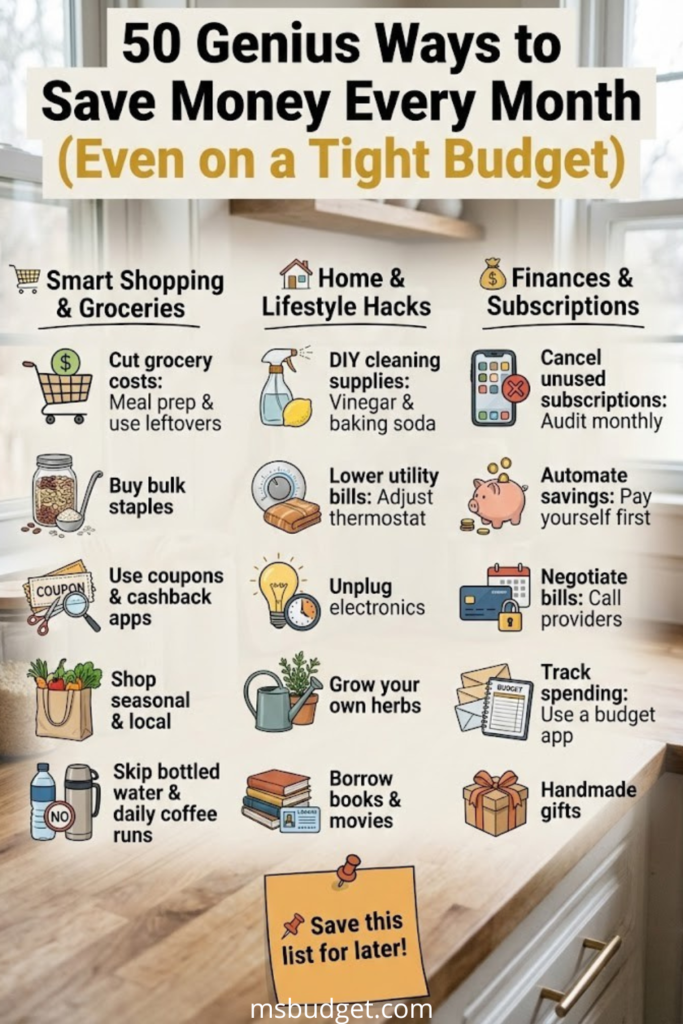


Let me be honest with you: I used to think saving money was impossible when I was barely making ends meet. Every month felt like a financial tightrope walk, and the idea of actually putting money aside seemed like a luxury reserved for people earning six figures. But here’s what changed everything for me—I discovered that saving money isn’t about how much you earn; it’s about the small, strategic decisions you make every single day. If you’re searching for practical ways to save money that actually work in 2026, you’re in the right place. According to recent data, 70% of Americans have identified saving more money as their top financial resolution this year[1], and I’m going to show you exactly how to make that happen, even if your budget feels impossibly tight.
Key Takeaways
💡 Start small and automate: You don’t need hundreds of dollars to begin saving—even $5 per week adds up to $260 annually, and automation removes the temptation to spend first.
💡 Focus on the big three expenses: Housing, transportation, and food typically consume 60-70% of your budget, so targeting these areas creates the biggest impact on your savings.
💡 Increase income while cutting costs: With only 12% of those earning under $40,000 able to grow emergency savings compared to 30% of higher earners[2], finding ways to boost income is just as crucial as reducing expenses.
💡 Track everything relentlessly: Nearly three-quarters of consumers say tracking financial goals keeps them accountable[1], making awareness your most powerful savings tool.
💡 Build emergency savings first: With only 47% of Americans able to cover a $1,000 emergency[2], prioritizing a starter emergency fund protects you from debt cycles.
Understanding Why Traditional Ways to Save Money Often Fail

Before we dive into the 50 genius strategies, let’s talk about why so many people struggle to save despite their best intentions. The statistics are sobering: 58% of Americans report having the same amount or less in emergency savings compared to a year ago[2]. That’s not because people don’t want to save—it’s because the traditional advice doesn’t account for real-world challenges.
The biggest culprit? Inflation and rising prices, which 54% of Americans cite as the primary reason they’re saving less for emergencies[2]. When consumer prices remain 26% higher than December 2019 levels[2], your dollar simply doesn’t stretch as far. Additionally, 29% of people have more credit card debt than emergency savings[2], creating a vicious cycle where high-interest debt prevents wealth building.
Here’s what I’ve learned: effective ways to save money must address both sides of the equation—reducing expenses AND increasing income. Let’s explore 50 actionable strategies organized by category.
50 Powerful Ways to Save Money Every Month
Housing & Utilities (Save $200-$800/month)
1. Negotiate your rent annually 📞
Before your lease renewal, research comparable properties in your area. I saved $150/month simply by showing my landlord three similar apartments listed for less and asking for a rent reduction to match the market rate.
2. Get a roommate or rent out a spare room
Even temporarily, this can cut your housing costs by 30-50%. Platforms like SpareRoom or Facebook Marketplace make finding compatible roommates easier than ever.
3. Refinance your mortgage
With interest rate changes in 2026, refinancing could save you hundreds monthly. Even a 0.5% rate reduction on a $250,000 mortgage saves approximately $75/month.
4. Challenge your property tax assessment
Many homeowners overpay because assessments are inflated. Filing an appeal (often free) can reduce your annual property taxes by hundreds.
5. Install a programmable thermostat
Smart thermostats like Nest or Ecobee can reduce heating and cooling costs by 10-23%, saving $150-$300 annually.
6. Switch to LED bulbs throughout your home
LEDs use 75% less energy and last 25 times longer than incandescent bulbs. Replacing 20 bulbs saves about $75/year.
7. Seal air leaks and add weatherstripping
This DIY project costs under $50 but can reduce energy bills by 15-20% annually—that’s $150-$250 in savings.
8. Lower your water heater temperature to 120°F
Most water heaters are set to 140°F by default, but 120°F is sufficient and saves 3-5% on water heating costs.
9. Use ceiling fans strategically
Running fans costs pennies per day but allows you to adjust your thermostat by 4°F, saving 10% on cooling costs.
10. Bundle internet, phone, and streaming services
Call providers annually to negotiate. I reduced my internet bill from $89 to $49/month by threatening to switch providers.
Transportation (Save $150-$500/month)
11. Refinance your auto loan
If your credit has improved since purchasing your vehicle, refinancing can reduce your monthly payment significantly.
12. Drop unnecessary auto insurance coverage
If your car is worth less than $3,000, dropping collision and comprehensive coverage might make sense. Also, increase deductibles to lower premiums.
13. Use gas rewards programs religiously
Apps like GasBuddy, grocery store fuel points, and credit card rewards can save 10-30 cents per gallon.
14. Maintain proper tire pressure
Underinflated tires reduce fuel efficiency by 3%. Checking monthly saves $50-$100 annually.
15. Carpool or use public transportation
Even switching 2-3 days per week saves $100+ monthly on gas, parking, and vehicle wear.
16. Walk or bike for trips under 2 miles
Besides saving money, this improves health and reduces vehicle depreciation.
17. Perform basic car maintenance yourself
Oil changes, air filter replacements, and wiper blade installations are simple DIY tasks that save $200+ annually.
18. Avoid premium gas unless required
Unless your owner’s manual requires premium fuel, regular unleaded works fine and saves 20-30 cents per gallon.
19. Combine errands into single trips
Strategic trip planning reduces fuel consumption by 15-20% compared to multiple separate outings.
20. Sell your second vehicle
If you can manage with one car, eliminating insurance, registration, and maintenance on a second vehicle saves $3,000-$5,000 annually.
For more comprehensive budgeting strategies, check out our guide on tips for saving money on a budget.
Food & Groceries (Save $200-$400/month)
21. Meal plan every single week
This simple habit prevents impulse purchases and food waste. I reduced my grocery spending by 35% just by planning meals before shopping.
22. Use the 54321 grocery shopping method
This strategic approach helps you shop smarter and can save $250+ monthly. Learn more about the 54321 grocery shopping method.
23. Buy generic brands for staples
Store brands are often manufactured in the same facilities as name brands but cost 20-40% less.
24. Shop sales and stock up on non-perishables
When items you regularly use go on sale, buy in bulk. This strategy saves 30-50% over time.
25. Use cashback apps like Ibotta and Fetch
These apps provide rebates on groceries you’re already buying—I earn $30-$50 monthly.
26. Grow herbs and vegetables
Even a small container garden yields $200+ worth of produce annually with minimal investment.
27. Freeze leftovers immediately
This prevents food waste and creates convenient future meals. Americans waste $1,500+ annually on spoiled food.
28. Pack your lunch for work
Bringing lunch instead of buying saves $8-$12 daily—that’s $160-$240 monthly for a 20-day work month.
29. Make coffee at home
A $5 daily coffee habit costs $1,825 annually. Home brewing costs under $200/year for the same amount.
30. Use a grocery list app and stick to it
Apps like AnyList prevent impulse purchases that add 20-30% to grocery bills.
For more grocery-saving strategies, explore our 21 frugal grocery hacks.
Banking & Subscriptions (Save $100-$300/month)
31. Eliminate unused subscriptions
The average person pays for 3-4 subscriptions they don’t use. Audit monthly with apps like Truebill or Rocket Money.
32. Switch to a high-yield savings account
In 2026, high-yield accounts still offer significantly better rates than traditional banks—often 10-15x more interest.
33. Avoid ATM fees by planning ahead
ATM fees average $4.73 per transaction. Using your bank’s ATMs saves $100+ annually if you withdraw weekly.
34. Set up automatic savings transfers
The “pay yourself first” method works because it removes willpower from the equation. Even $25 per paycheck adds up to $650 annually.
35. Cancel bank accounts with monthly fees
Many online banks offer free checking with no minimum balance requirements.
36. Use balance transfer credit cards strategically
If you have credit card debt, transferring to a 0% APR card saves hundreds in interest while paying down principal.
37. Negotiate annual fees on credit cards
Call your credit card company and ask them to waive the annual fee—it works more often than you’d think.
38. Share family subscription plans
Services like Netflix, Spotify, and YouTube Premium offer family plans that cost less per person when shared.
39. Rotate streaming services monthly
Instead of subscribing to five services simultaneously, rotate through them—watch everything on Netflix one month, then switch to Hulu the next.
40. Use library services for books, movies, and music
Modern libraries offer digital lending through apps like Libby and Hoopla, saving $20-$40 monthly on entertainment.
Shopping & Lifestyle (Save $150-$400/month)
41. Implement a 30-day rule for non-essential purchases
Wait 30 days before buying anything over $50. This eliminates 70% of impulse purchases.
42. Buy secondhand first
Thrift stores, Facebook Marketplace, and Poshmark offer items for 50-80% less than retail.
43. Use browser extensions for automatic coupons
Honey, Rakuten, and Capital One Shopping apply coupons automatically and provide cashback.
44. Shop end-of-season sales
Buy winter clothes in March and summer items in September for 60-80% discounts.
45. Negotiate everything
From medical bills to furniture prices, asking for discounts works surprisingly often—I’ve saved thousands over the years.
46. DIY gifts and celebrations
Homemade gifts feel more personal and cost 70% less than store-bought alternatives.
47. Use the library for entertainment
Besides books, libraries offer free museum passes, event tickets, and educational courses.
48. Cancel gym memberships and workout at home
YouTube offers thousands of free workout videos. Saving $40-$80/month adds up to $480-$960 annually.
49. Practice the “cost per use” calculation
Before buying anything, divide the cost by expected uses. A $200 jacket worn 100 times costs $2 per wear—excellent value.
50. Start a side hustle to boost income
Remember, increasing income is often more effective than cutting expenses[2]. Consider making money from home or exploring passive income ideas.
Creating Your Personalized Savings Strategy

Now that you have 50 ways to save money, the key is implementation. Don’t try to tackle all 50 at once—that’s overwhelming and unsustainable. Instead, I recommend this approach:
Step 1: Identify Your Top 3 Expense Categories
Look at your last three months of spending and identify where most of your money goes. For most people, it’s housing, transportation, and food—these three categories typically consume 60-70% of monthly income.
Step 2: Choose 5-7 Strategies to Implement This Month
Select strategies from your top expense categories that feel achievable. For example:
- Housing: Install programmable thermostat, seal air leaks
- Transportation: Start carpooling twice weekly, maintain tire pressure
- Food: Meal plan, buy generic brands, pack lunch three days weekly
Step 3: Track Your Progress Weekly
Nearly three-quarters of consumers say tracking keeps them accountable[1]. Use a simple spreadsheet or budgeting app to monitor savings. I personally love the 50/30/20 budget rule for organizing finances.
Step 4: Automate What You Can
Set up automatic transfers to savings accounts on payday. For 2026, consider contributing to retirement accounts—you can contribute up to $7,500[5], which provides tax advantages while building wealth.
Step 5: Add New Strategies Monthly
Once your initial strategies become habits (usually 3-4 weeks), add 2-3 more from the list. This gradual approach prevents overwhelm and creates sustainable change.
Overcoming Common Savings Obstacles in 2026
Even with the best strategies, you’ll face challenges. Here’s how to overcome the most common obstacles:
“I’m Living Paycheck to Paycheck”
Start incredibly small. Even $5 per week builds a $260 emergency fund in one year. The goal is establishing the habit, not the amount. Once you have $500-$1,000 saved, you’ll break the paycheck-to-paycheck cycle because minor emergencies won’t derail your finances. For more help, read our guide on how to stop living paycheck to paycheck.
“Inflation Is Eating My Budget”
You’re not alone—54% of Americans cite inflation as their primary savings obstacle[2]. Combat this by focusing on percentage-based savings (like negotiating bills) rather than absolute dollar amounts, and by increasing income through side hustles or asking for raises.
“I Have Too Much Debt”
With 29% of people having more credit card debt than emergency savings[2], this is incredibly common. Consider a dual approach: save $1,000 for emergencies while making minimum debt payments, then attack debt aggressively. Learn more about paying down debt faster.
“I Don’t Know Where My Money Goes”
This is actually the easiest problem to solve. Track every expense for 30 days using apps like Mint, YNAB, or even a simple notebook. Awareness alone typically reduces spending by 15-20%. Also check out our budgeting hacks for beginners.
Advanced Ways to Save Money: Taking It to the Next Level
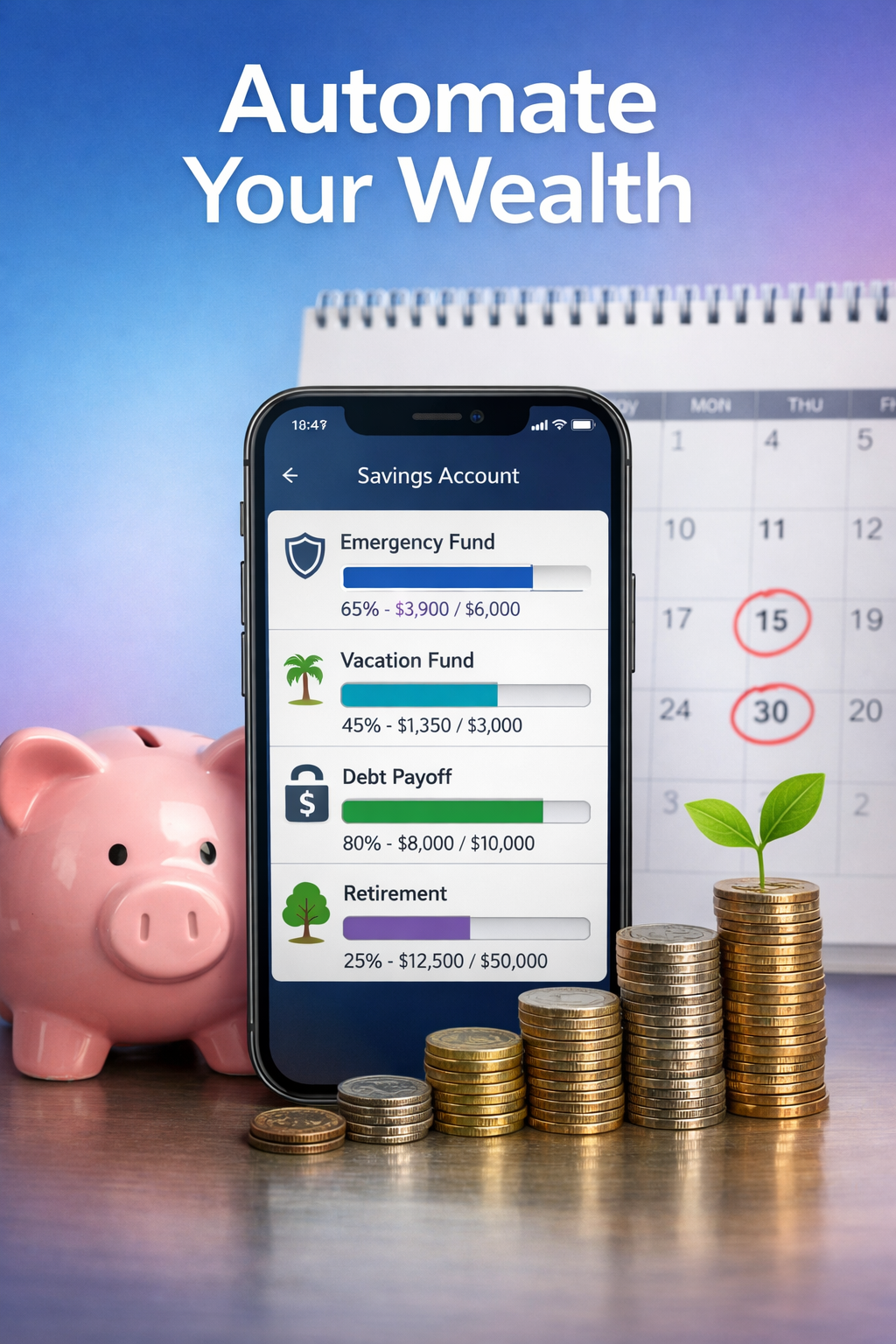
Once you’ve mastered the basics, these advanced strategies can accelerate your savings:
Create multiple savings accounts with specific purposes: Instead of one general savings account, create separate accounts for emergencies, vacations, car replacement, and annual expenses. This psychological trick makes you less likely to raid savings for non-emergencies.
Implement the half-payment budget method: This approach aligns your budget with biweekly paychecks and can dramatically improve cash flow. Learn more about the half-payment budget method.
Lock in current interest rates: With the Federal Reserve cutting rates in 2026[4][5], consider locking in current rates through CDs or bond ladders for better long-term returns.
Maximize credit card rewards strategically: Use rewards cards for all purchases you’d make anyway, then pay the balance in full monthly. I earn $600-$800 annually in cashback this way. Check out these credit card hacks.
Build multiple income streams: The wealthy typically have 7 streams of income. Start with one side hustle and gradually build. Explore 7 streams of income for inspiration.
The Psychology of Successful Saving
Here’s something most financial advice misses: saving money is 80% psychology and 20% math. Understanding your money mindset makes all the difference.
Research shows that 51% of Americans follow a “spend first, save what’s left” approach, while 49% practice “save first, spend what’s left”[3]. The latter group consistently builds more wealth because they prioritize savings before discretionary spending.
Reframe your relationship with money: Instead of viewing savings as deprivation, see it as buying future freedom. Every $100 saved is one less day you’ll need to work in the future.
Celebrate small wins: Saved $50 this week? Celebrate it! Positive reinforcement strengthens money-saving habits.
Find free or low-cost alternatives for joy: Saving doesn’t mean eliminating fun—it means finding creative alternatives. Free concerts in parks, potluck dinners with friends, and nature hikes provide enjoyment without the price tag.
Practice gratitude: Studies show grateful people make better financial decisions and feel more satisfied with less spending.
For more on developing wealth-building habits, read our article on 15 good financial habits that changed my life.
Building Your Emergency Fund: The Foundation of Financial Security

Before pursuing any other financial goal, build an emergency fund. Here’s why this matters so much: only 47% of Americans can cover a $1,000 emergency expense[2], and just 46% have the recommended three to six months of expenses saved[2].
Start with a $1,000 starter emergency fund: This covers most common emergencies like car repairs or medical copays and prevents you from going into debt when life happens.
Then build to one month of expenses: Calculate your essential monthly expenses (housing, utilities, food, transportation, minimum debt payments) and save that amount.
Gradually increase to 3-6 months: If you have stable employment, three months is sufficient. If you’re self-employed or have variable income, aim for six months. For freelancers, experts recommend maintaining at least 3-6 months of essential expenses in liquid savings, starting with a $1,000 minimum, while setting aside approximately 30% of income for taxes[4].
Keep it separate and accessible: Use a high-yield savings account that’s separate from your checking account but still accessible within 1-2 business days.
If you want to fast-track your emergency fund, check out our guide on how to save $1,000 in a month.
Turning Savings Into Wealth: Beyond the Emergency Fund
Once you have 3-6 months of expenses saved, it’s time to make your money work harder through investing. This is where you transition from saving to wealth-building.
Max out retirement account contributions: For 2026, you can contribute up to $7,500 toward retirement accounts[5]. If your employer offers matching, contribute at least enough to get the full match—it’s literally free money.
Consider micro-investing apps: Apps like Acorns or Stash allow you to invest spare change, making investing accessible even with limited funds. Learn more about how to start micro-investing.
Educate yourself about investing: If you’re new to investing, start with our guide on investing in stocks for beginners with little money.
Diversify your wealth-building strategies: Combine traditional investing with passive income streams, skill development, and strategic career advancement. Read about how to achieve financial freedom in 5 steps.
Conclusion: Your Next Steps to Financial Freedom
Saving money in 2026 isn’t about deprivation or extreme frugality—it’s about making intentional choices that align your spending with your values and goals. The 50 strategies I’ve shared aren’t theoretical concepts; they’re practical, proven ways to save money that work regardless of your income level.
Here’s your action plan for the next 30 days:
✅ This week: Choose 5 strategies from the list above that resonate with you and commit to implementing them.
✅ Week 2: Set up automatic savings transfers for at least $25 per paycheck (adjust based on your situation).
✅ Week 3: Track every expense to identify your biggest spending categories and find additional savings opportunities.
✅ Week 4: Review your progress, celebrate your wins, and add 2-3 more savings strategies.
Remember, 70% of Americans have identified saving more money as their top financial resolution for 2026[1], but only those who take consistent action will achieve their goals. Nearly three-quarters of consumers say tracking financial goals keeps them accountable[1]—so commit to monitoring your progress.
The difference between financial stress and financial freedom isn’t your income—it’s the small, daily decisions you make with the money you have. Start today with just one strategy from this list. Then add another next week. Before you know it, you’ll have built a comprehensive savings system that transforms your financial future.
You’ve got this! 💪 And remember, I’m cheering for you every step of the way. For more money-saving inspiration and strategies, explore our complete collection of frugal living tips and join thousands of others on the path to financial freedom.